Knowing when marijuana buds are ready to harvest is one of the most important questions people have when evaluating cannabis flower maturity. The answer is not as simple as counting flowering weeks or waiting until every pistil changes color.
Cannabis flowers mature gradually, and different cultivars can develop at different rates. Genetics, environmental conditions, plant age, and other factors can all affect the appearance and chemical development of the flowers. Research has also shown that trichome development and cannabinoid accumulation change during flower maturation, making harvest timing an important factor in final flower quality.
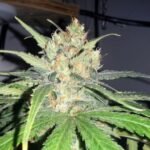
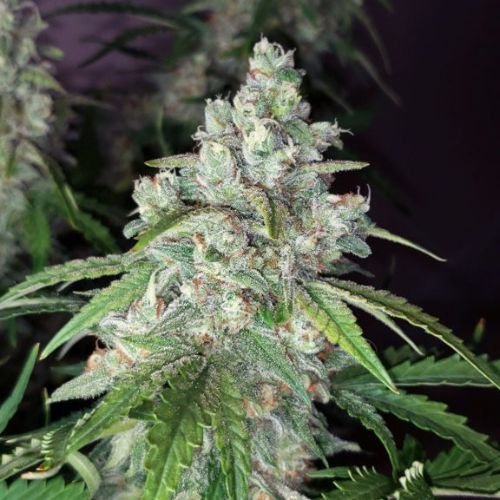
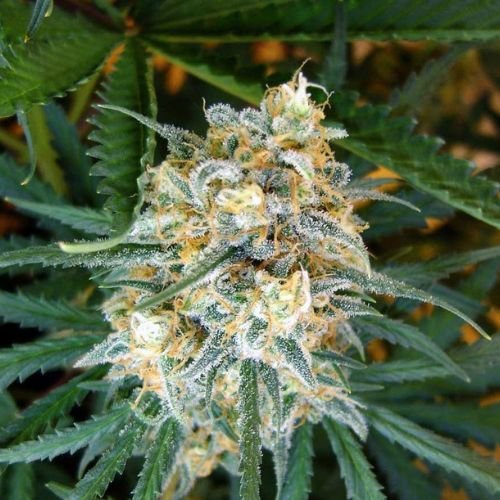
For that reason, the best way to understand harvest readiness is to look at multiple signs of maturity together.
The most commonly discussed indicators include:
- Trichome development
- Pistil or stigma color and appearance
- Overall flower development
- Expected flowering period
- Cultivar-specific characteristics
- Changes associated with late-stage maturation
This guide explains what these indicators mean, why they matter, and how to distinguish general flower maturity from assumptions that may not apply to every cannabis cultivar.
Quick Answer: When Are Marijuana Buds Ready to Harvest?
Marijuana buds are generally considered mature when the flowers have reached an advanced stage of development and the trichomes show characteristics associated with later flower maturation.
A quick visual checklist includes:
- Trichomes: A shift from mostly clear toward predominantly cloudy or milky indicates advancing maturity.
- Pistils: Many pistils change from fresh, light-colored structures to darker and more curled structures as flowers mature.
- Flower structure: Mature flowers generally look more developed and established than early flowering buds.
- Cultivar: Different genetics can mature differently, so one visual rule does not apply universally.
- Flowering time: The breeder’s or cultivar’s expected flowering period can provide context, but it should not be treated as an exact harvest date.
- Overall condition: Stress can sometimes change the appearance of trichomes or pistils before the flowers have reached full maturity.
The important point is that no single visual characteristic provides a perfect measurement of maturity.
Understanding Cannabis Flower Maturity
Cannabis flower maturity is a biological process rather than a specific date on the calendar.
As flowering progresses, the female inflorescences develop structures that contain cannabinoids and terpenes. Glandular trichomes are particularly important because they are major sites for the production and storage of these compounds.
Research has demonstrated that trichome development changes throughout flower maturation and that genotype can influence trichome development, morphology, and maturation.
This helps explain why two different cultivars may not look identical at the same point in their flowering cycle.
It also explains why simply saying “harvest after eight weeks” is not sufficiently precise.
Why Genetics Matter
Cannabis is genetically diverse, and cultivars can differ in their flowering characteristics, cannabinoid profiles, terpene profiles, trichome development, and physical appearance.
One study examining high-THC cannabis found that genotype and plant age influenced glandular trichome development and maturation. The researchers also observed that environmental stress could cause premature trichome browning.
This is an important distinction.
A darker-looking trichome does not automatically mean a flower is fully mature.
Similarly, a cultivar that does not develop a particular visual characteristic should not automatically be considered immature.
The Most Important Visual Indicator: Trichomes
If you are researching when cannabis buds are ready to harvest, you will frequently encounter the term trichomes.
Trichomes are tiny structures found on cannabis flowers and other plant surfaces. Certain glandular trichomes are particularly important because they are associated with cannabinoid and terpene production and storage.
Under magnification, the heads of glandular trichomes can show different appearances as flowers mature.
The commonly described stages are:
Clear Trichomes
Clear or translucent trichomes are generally associated with an earlier stage of development.
They have a glass-like appearance and indicate that the flower is still progressing through maturation.
However, clear trichomes should not be treated as a precise measurement of cannabinoid concentration.
Cloudy or Milky Trichomes
As flowers mature, many trichome heads become cloudy or milky.
This appearance is commonly associated with more advanced flower maturity and is one of the main visual indicators used when evaluating cannabis harvest readiness.
Scientific literature has documented the transition in trichome appearance from transparent to denser white and eventually amber during maturation.
Amber or Brown Trichomes
Some trichomes eventually develop a yellow, amber, or brown appearance.
This is generally associated with later stages of maturation or senescence.
However, the popular idea that “amber automatically means more potent” or that a specific percentage of amber trichomes guarantees a particular effect is too simplistic.
Research has shown that trichome color is related to maturation, but genotype and environmental conditions can affect the process.
A 2025 study examining stigma color and cannabinoid concentrations also found substantial differences among genotypes, reinforcing the idea that harvest indicators should not be treated as universal rules.
Why Trichomes Are More Useful Than a Calendar
Flowering time is useful for establishing an approximate expectation, but it does not tell the entire story.
A cultivar described as having a particular flowering period may mature somewhat earlier or later depending on its genetics and growing environment.
Scientific reviews similarly note that cannabis maturity and harvest timing can depend on factors such as variety, environmental conditions, and production conditions.
That is why a calendar-based approach can produce misleading results.
Instead of asking:
“How many weeks has the plant been flowering?”
a more useful question is:
“What evidence shows that the flowers have reached maturity?”
The flowering period provides context. The physical and chemical development of the flower provides additional evidence.
Pistils: Another Sign of Flower Maturity
Pistils, sometimes called stigmas in botanical discussions, are the hair-like structures visible on female cannabis flowers.
During early flowering, many pistils appear light-colored and prominent. As flowers develop, pistils can darken and curl.
This makes pistil appearance a useful visual clue.
However, it is not a perfect maturity test.
Research specifically investigating stigma color found that the relationship between stigma color and cannabinoid concentration varies among genotypes. Some genotypes reached cannabinoid concentration peaks at different stigma-color stages.
That finding is important because it challenges an overly simplistic rule such as:
“All the pistils need to be brown before the flower is mature.”
They do not.
Pistil appearance should instead be considered one piece of the overall maturity picture.
Pistils vs. Trichomes: Which Is More Useful?
Both can provide information, but they tell you different things.
| Indicator | What it tells you | Limitation |
| Pistils | General visual development of the flower | Can vary considerably by cultivar and conditions |
| Trichomes | Development of resin-producing structures | Color does not provide an exact cannabinoid measurement |
| Flower structure | Overall physical maturity | Appearance varies by genetics |
| Flowering period | Expected developmental timeframe | Not an exact harvest date |
| Laboratory testing | Actual cannabinoid composition | Requires analytical testing |
The strongest conclusion is not that one visual indicator is perfect.
Rather, using several indicators together gives a more complete understanding of flower maturity.
Does Flower Size Tell You When Cannabis Is Ready?
Flower size can provide context, but size alone does not determine maturity.
A larger flower is not necessarily a more mature flower.
Different cultivars naturally produce different flower structures, densities, and sizes. Environmental conditions can also affect plant development.
Instead of focusing solely on size, consider whether the flowers have reached their expected developmental characteristics for that cultivar.
A mature flower may appear substantially more developed than an early flowering flower, but physical size should not be used as an independent harvest test.
What Happens to Cannabinoids During Flower Maturation?
One reason harvest timing matters is that the chemical composition of cannabis flowers changes during development.
Cannabinoids are primarily produced and stored in glandular trichomes on female flowers. Research has shown that cannabinoid composition changes as flowers mature.
A study examining harvest timing in hemp found that cannabinoid concentrations increased through flowering and later declined at seed maturity, demonstrating that the timing of harvest can influence the chemical profile of the harvested material.
Another study investigating cannabis flower maturation found that cannabinoid content and flower quality varied across the flowering period.
This is why “ready to harvest” is ultimately a question of desired maturity and chemical profile, not simply appearance.
What About Terpenes?
Terpenes contribute significantly to the aroma and character of cannabis flowers.
They are also associated with glandular trichomes.
Research has demonstrated that terpene composition can change during cannabis development and that different trichome types can contain different proportions of volatile compounds.
This means harvest timing can have implications beyond cannabinoids.
The maturity of the flower can influence:
- Cannabinoid composition
- Terpene composition
- Resin characteristics
- Aroma
- Overall flower quality
However, visual trichome color alone cannot tell you exactly what the terpene profile contains.
For precise chemical information, laboratory analysis remains the more reliable approach.
Why Amber Trichomes Shouldn’t Be Treated as a Universal Rule
One of the most common cannabis harvest myths is that there is a single perfect percentage of amber trichomes that applies to every cultivar.
Research does not support such a simple universal formula.
Trichome development can vary according to:
- Genotype
- Plant age
- Environmental conditions
- Flower position
- Developmental stage
- Stress
A study of high-THC cannabis found that environmental stress could contribute to premature trichome browning, meaning brown or amber coloration is not necessarily proof that the entire flower has reached the same maturity stage.
Therefore, amber trichomes should be interpreted in context.
Can Trichome Color Predict THC Levels?
Trichome appearance can provide useful visual information, but it should not be treated as a laboratory potency test.
The common visual progression from clear to cloudy to amber is associated with flower maturation, but the relationship between appearance and cannabinoid concentration is more complex.
A 2026 study on CBDA-dominant medicinal cannabis developed a framework combining visible flower traits, trichome characteristics, and cannabinoid accumulation to assess maturity. The study found that maturity assessment could be improved by considering both physical and chemical measurements rather than relying solely on visual inspection.
This distinction is especially important when discussing cannabis quality professionally.
Trichome color can indicate maturity. It cannot replace laboratory testing.
Can Environmental Stress Change Trichome Appearance?
Yes.
This is one of the most important reasons not to rely on one visual characteristic.
Research on cannabis trichome maturation has reported that environmental stress, including excessive heat or drought stress, can contribute to premature browning or senescence of glandular trichomes.
Therefore, an unexpected color change should be interpreted alongside the overall condition of the flower.
This is also why cultivar-specific knowledge can be valuable.
Why Different Cannabis Cultivars Can Look Different at Maturity
There is no universal visual template for a mature cannabis flower.
Some cultivars may develop:
- More prominent pistils
- Different pistil colors
- Different flower densities
- Different trichome densities
- Different rates of trichome color change
- Different flowering durations
- Different cannabinoid profiles
- Different terpene profiles
Research has specifically demonstrated genotype-related differences in trichome development and maturation.
Consequently, comparing one cultivar directly with another can produce misleading conclusions.
A flower that looks different from a photograph online may still be appropriately mature for its genetics.
Common Signs That a Flower May Still Be Developing
Some general characteristics can indicate that a flower has not yet reached an advanced maturity stage.
These may include:
- Predominantly clear trichomes
- Many fresh, light-colored pistils
- Less-developed flower structure
- Continued visible floral development
- Appearance that does not match the cultivar’s expected mature characteristics
None of these signs should be interpreted independently.
The goal is to identify a consistent pattern rather than rely on one feature.
Common Signs of Later Flower Maturity
Later-stage maturity may be associated with:
- More developed flower structure
- A greater proportion of cloudy trichomes
- Darkening and curling of many pistils
- Increased visible resin development
- Changes in aroma
- Increasingly mature overall flower appearance
Again, these are general observations rather than a universal formula.
Why Online Photos Can Be Misleading
Searching Google for “ready cannabis buds” can produce hundreds of photographs.
The problem is that photographs can differ because of:
- Camera quality
- Lighting
- Magnification
- White balance
- Cultivar
- Developmental stage
- Flower position
- Image editing
A photograph can therefore be useful for education but should not be treated as definitive evidence of maturity.
This is particularly important when comparing trichome colors.
A cloudy trichome under one light source can look different from the same trichome under another.
Quick-Reference Cannabis Harvest Readiness Checklist
Use this checklist as a high-level reference when evaluating flower maturity:
Flower Development
- Flowers have reached substantial development.
- The overall flower structure appears mature for its cultivar.
- The appearance is consistent across the flowers being evaluated.
Pistils
- Many pistils have changed from their earlier light-colored appearance.
- A substantial number have darkened or curled.
- Pistil appearance is consistent with other maturity indicators.
Trichomes
- Trichomes are no longer predominantly clear.
- Many trichomes appear cloudy or milky.
- Any amber coloration is interpreted in context rather than used as the only indicator.
Cultivar
- The expected flowering period is being treated as an estimate.
- Cultivar-specific characteristics are being considered.
- The flower is not being judged against a completely different cultivar.
Overall Assessment
- Multiple indicators point toward the same maturity stage.
- Environmental stress is not obviously distorting the visual signs.
- Laboratory testing is used when exact cannabinoid information is required.
7 Common Mistakes When Judging Cannabis Harvest Readiness
1. Using the Calendar as the Only Indicator
A flowering schedule is an estimate, not a guarantee.
2. Waiting for Every Pistil to Turn Brown
Pistil color varies between cultivars and is not a perfect indicator of cannabinoid maturity.
3. Assuming Amber Always Means Better
Amber trichomes indicate a later stage of development, but they do not automatically mean higher quality or greater potency.
4. Assuming Cloudy Trichomes Equal a Specific THC Percentage
Visual inspection cannot provide an exact cannabinoid measurement.
5. Looking Only at Sugar Leaves
Trichomes can occur on different parts of the plant, and their characteristics can vary. Flower maturity should not be inferred from one convenient leaf alone.
6. Comparing Every Cultivar to the Same Photograph
Different genetics can produce substantially different visual characteristics.
7. Ignoring Environmental Stress
Stress can affect plant appearance and potentially cause changes that resemble normal maturation.
What Is the Best Way to Confirm Cannabis Maturity?
For general visual assessment, a combination of flower appearance, pistil development, trichome characteristics, and cultivar information provides more context than any single sign.
For professional or regulated production, laboratory analysis provides a much more objective way to understand cannabinoid composition.
Modern research is also exploring more advanced approaches.
For example, recent research has investigated combining:
- Trichome morphology
- Flower appearance
- Cannabinoid accumulation
- Imaging technologies
- Spectral analysis
to develop more objective maturity assessments.
This shows how cannabis maturity assessment is moving beyond simple visual rules.
Does Harvest Timing Affect Cannabis Quality?
Yes.
Research reviews have found meaningful differences in cannabinoid and terpene content between immature and mature cannabis flowers.
The timing of harvest can therefore influence the chemical composition of the final material.
However, “quality” should not be reduced to one number.
Quality can involve:
- Cannabinoid profile
- Terpene profile
- Flower appearance
- Aroma
- Resin development
- Consistency
- Proper post-harvest handling
- Cultivar genetics
This is why a quality-focused approach starts long before the final harvest window.
Why Genetics Matter Before Harvest Even Begins
Harvest timing gets a lot of attention, but genetics establish much of the plant’s potential characteristics.
Cannabis clones can provide genetically consistent starting material, which is one reason vegetative propagation is widely used in cannabis production and research.
Research on vegetative propagation notes that stem cuttings can produce genetically uniform plants, although environmental factors and plant characteristics can still influence development.
For businesses and experienced cultivators operating where cannabis cultivation is lawful, starting with consistent genetics can make flower development easier to evaluate from one cycle to another.
That does not mean every plant will mature identically.
It means the genetic starting point is more consistent.
Frequently Asked Questions
When are marijuana buds ready to harvest?
Marijuana buds are generally considered ready when multiple signs indicate advanced flower maturity. These include developed flowers, changing pistils, and a substantial shift in trichomes from clear toward cloudy or milky. The exact timing varies by cultivar and growing conditions.
What color should cannabis trichomes be at harvest?
There is no universal color that applies to every cultivar. Clear trichomes generally indicate earlier development, while cloudy or milky trichomes are commonly associated with a more advanced maturity stage. Amber or brown trichomes generally indicate later maturation.
Are cloudy trichomes ready for harvest?
Cloudy trichomes are commonly considered an important sign of advanced flower maturity. However, trichome appearance should be considered alongside the cultivar, pistils, flower development, and overall plant condition.
Are clear trichomes immature?
Predominantly clear trichomes generally indicate an earlier stage of development. They are commonly interpreted as evidence that the flowers are still maturing.
Do all trichomes turn amber?
No. Trichome development can differ between cultivars. Some plants may show relatively little amber coloration, so the absence of amber should not automatically be interpreted as a lack of maturity.
Do brown pistils mean cannabis is ready?
Not necessarily. Pistils are useful visual indicators, but their color and development can vary between genotypes. Research has found that stigma color does not correspond to the same cannabinoid concentration stage in every genotype.
Does cannabis become more potent if you wait longer?
Not necessarily. Cannabinoid concentrations change throughout flower development, but the relationship between maturity, cannabinoid concentration, trichome appearance, and final product characteristics is complex. Research supports evaluating maturity rather than assuming that simply waiting longer always improves potency.
How long does cannabis take to flower?
There is no single flowering period for every cannabis cultivar. Flowering duration can vary according to genetics and production conditions. Commercial and research literature commonly reports substantial variation in maturation periods.
Can you determine THC percentage from trichomes?
No. Trichome appearance can provide a visual indication of maturity, but it cannot provide an exact THC percentage. Laboratory testing is required for accurate cannabinoid quantification.
Can stress make trichomes turn amber early?
Research indicates that environmental stresses such as excessive heat or drought can contribute to premature trichome browning or senescence.
Is harvest timing important for terpenes?
Yes. Terpene composition can change during cannabis flower development, and different trichome types are associated with different terpene distributions.
Does every cannabis strain mature the same way?
No. Genetics can influence flowering time, trichome development, flower structure, cannabinoid composition, and terpene characteristics.
What is the biggest mistake people make when judging harvest readiness?
Relying on one indicator. A calendar date, pistil color, trichome color, or flower size alone cannot fully describe maturity. A broader assessment is more reliable.
Final Thoughts: How to Know When Marijuana Buds Are Ready to Harvest
So, when are marijuana buds ready to harvest?
The answer is best understood as a combination of maturity signals rather than a single date or visual rule.
Look at the complete picture:
Flower development + pistils + trichomes + cultivar characteristics + expected flowering period + overall plant condition.
Trichomes are particularly valuable because they are directly associated with the resin-producing structures where many cannabinoids and terpenes are produced and stored. Research has demonstrated that these structures change as cannabis flowers mature.
At the same time, scientific research increasingly shows why simple harvest rules have limitations. Different genotypes can mature differently, environmental stress can alter visual characteristics, and cannabinoid concentrations can vary across developmental stages.
For that reason, the most useful approach is not to memorize one “perfect” trichome percentage or flowering week.
Instead, understand how cannabis flowers mature and evaluate several indicators together.
For those interested in cannabis genetics, that process begins with the plant itself. Consistent genetics can provide a more predictable foundation for evaluating flower development, while careful attention to cultivar-specific characteristics can help explain why two plants do not always reach maturity in exactly the same way.
At Premium Cannabis Clone, we understand that genetics are an important part of the cannabis flower equation. Whether you are researching cannabis cultivars, comparing flower characteristics, or learning more about clone genetics, understanding maturity is an important part of understanding the plant from beginning to end.