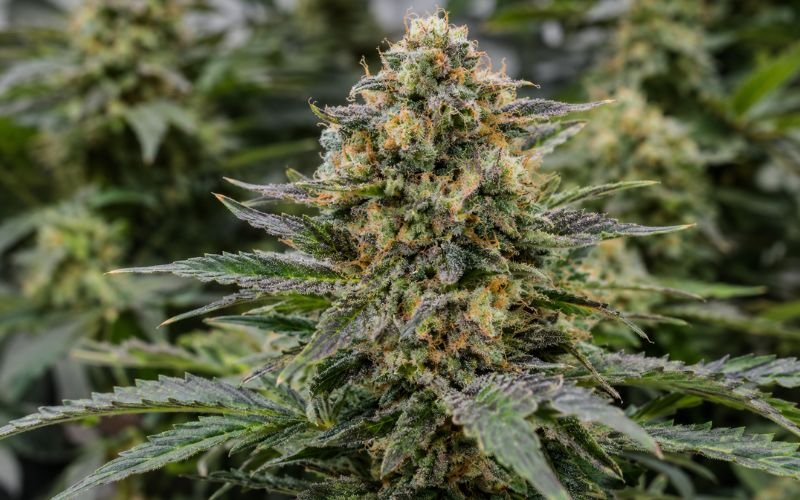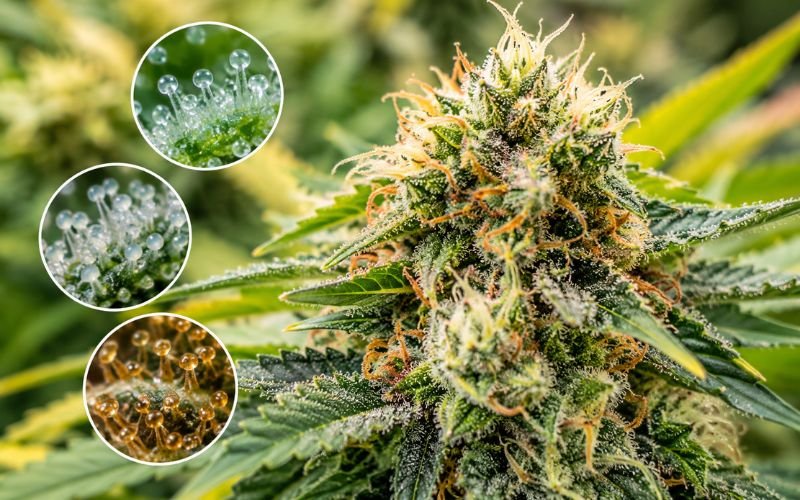
Choosing between cannabis clones and seeds can influence how you start your grow, how consistent your plants may be, and how much time you spend on early plant development. Both options have advantages, but the right choice depends on your experience, growing environment, budget, and preferred genetics.
Cannabis clones are cuttings taken from a mother plant, while seeds grow into new plants through germination. Clones are often preferred for reproducing known genetics, whereas seeds provide more opportunities to explore different cultivars.
For Canadian growers, climate and local cultivation rules are also important considerations.
In general, cannabis clones may be better for growers seeking genetic consistency, while seeds may be better for those who want more genetic variety and a fresh start. Neither option guarantees better plant performance or a larger harvest.
What Are Cannabis Clones?
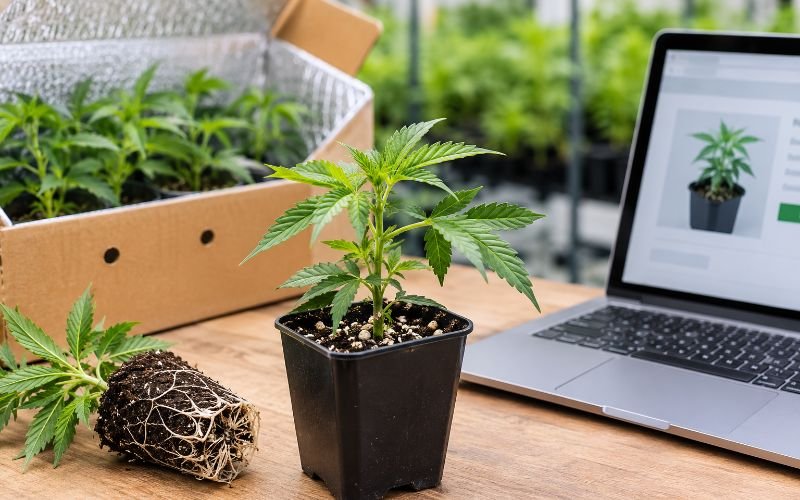
Cannabis clones are cuttings taken from a living cannabis plant and encouraged to develop their own roots. Once rooted, a clone can grow independently while retaining the mother plant’s genetic makeup.
This makes clones useful for growers who want to reproduce a particular plant rather than start with new genetic combinations.
Benefits of Cannabis Clones
1. More predictable genetics
A clone shares the genetics of its mother plant. If the source plant has known characteristics, growers may have a better idea of what to expect. However, environmental conditions can still influence plant growth and performance.
2. An established starting point
A healthy, rooted clone has already developed roots, so it does not need to pass through seed germination. This may reduce the time spent on early establishment compared with starting from a seed.
3. Useful for repeat growing
Growers who prefer a particular cultivar may find clones convenient when they want to reproduce the same genetic line across multiple grows.
4. Known characteristics
When the mother plant has a reliable history, information about its growth structure and flowering characteristics may help growers make an informed selection.
Potential Drawbacks of Cannabis Clones
Clones require careful evaluation before purchase.
- Plant health: Cuttings may carry pests or diseases from the source plant.
- Root quality: Weak or damaged roots can delay establishment.
- Availability: A specific cultivar may not always be available as a clone.
- Transport sensitivity: Live plants can experience stress during shipping and handling.
- Inherited traits: A clone retains the mother plant’s genetics, including unwanted characteristics.
When comparing sellers, ask about cultivar identity, plant-health practices, root development, and any available testing. A healthy appearance alone does not prove that a plant is free from pests or disease.
What Are Cannabis Seeds?
Cannabis seeds are the starting point for a new plant. Under suitable conditions, a viable seed germinates and develops into a seedling.
Unlike a clone, a seed does not reproduce a single existing plant’s genetics exactly. Its characteristics depend on its parent plants and the type of seed.
Benefits of Cannabis Seeds
1. A broad range of genetics
Seeds offer access to many cultivars and genetic combinations. This can appeal to growers who want to explore different plant characteristics.
2. Convenient storage and transport
Seeds are generally easier to store and transport than living cuttings when handled according to appropriate storage guidance.
3. Different seed types
Growers can compare regular, feminized, and autoflowering seeds, each with different characteristics. Understanding the seed type helps you assess whether it suits your growing goals.
4. No mother plant required
Starting from seeds does not require access to an existing cannabis plant or a source of cuttings.
Potential Drawbacks of Cannabis Seeds
Seeds also have limitations.
- Germination varies: Not every seed will necessarily germinate.
- Early growth takes time: Seeds must germinate and establish themselves as seedlings.
- Genetic variation: Plants may differ in growth and other characteristics.
- Seed type matters: Regular seeds can produce male or female plants. Feminized seeds are bred to favour female plants, but the result is not an absolute guarantee.
- Seedling care: Young plants can be sensitive to unsuitable growing conditions.
Seeds can be a practical choice for growers who want flexibility, but quality, viability, and reliable product information remain important.
Cannabis Clones vs Seeds: Key Differences
| Comparison | Cannabis clones | Cannabis seeds |
| Starting point | Cutting from a mother plant | Seed that germinates |
| Genetics | Generally match the mother plant | Depend on parent genetics and seed type |
| Early development | Rooted clones already have roots | Must germinate and establish roots |
| Consistency | Usually more genetically consistent | Greater variation may occur |
| Health considerations | Can carry pests or disease from the source | Can have viability or quality issues |
| Storage | More sensitive as living plants | Generally easier to store |
| Selection | Depends on clone availability | Often offers a broad choice of genetics |
| Mother plant | A source plant is required to produce clones | Not required by the grower |
| Best fit | Reproducing known genetics | Exploring different genetics |
The main distinction is that clones reproduce existing genetics, while seeds offer a new starting point. Actual results depend on the quality of the starting material and the growing environment.
Which Is Faster: Cannabis Clones or Seeds?
A rooted cannabis clone can have a head start because it has already passed the germination stage and developed roots. A seed must first germinate and develop into a seedling.
However, a clone is not automatically faster in every situation. A cutting with weak roots or shipping-related stress may take time to recover. A healthy seedling may establish successfully under suitable conditions.
The total time to maturity also depends on cultivar characteristics, growing conditions, and flowering behaviour.
Best for early establishment: A healthy, established clone may offer an advantage.
Best for starting from the beginning: Seeds allow growers to follow the plant’s development from germination.
Which Is Better for Indoor Growing?
Both clones and seeds can suit indoor growing, but their advantages differ.
Clones may be useful for growers who want to reproduce known genetics and maintain greater consistency between plants. They can also be attractive when the grower has already identified a cultivar that suits the available space and setup.
Seeds may be more appropriate for growers who want to explore different genetics or do not have access to a mother plant.
Indoor growers should consider available space, lighting, ventilation, humidity management, and plant health regardless of which starting material they choose. Health Canada provides guidance on growing cannabis safely at home.
Which Is Better for Outdoor Growing in Canada?
Canada’s growing conditions vary significantly by region. Some areas have relatively mild conditions, while others experience short summers and early autumn frosts.
For outdoor growers, the important question is not simply whether clones or seeds are better. It is whether the chosen cultivar suits the local climate and available growing season.
A clone may provide a head start in development, but it still needs to be healthy and suited to the outdoor environment. A plant moved from a protected setting into different conditions may experience stress.
Seeds offer a fresh start and a choice of cultivars with different characteristics. However, selecting seeds does not automatically ensure that a plant will finish within a short outdoor season.
Before choosing, consider local weather, cultivar information, the condition of the starting material, and the time available for the plant to mature.
Are Cannabis Clones More Consistent Than Seeds?
Clones generally offer greater genetic consistency because they come from the same mother plant. This can make them useful when growers want to reproduce a familiar cultivar.
Seeds can produce more variation between plants, depending on the genetics and seed type.
However, genetic consistency does not mean every clone will grow identically. Differences in root health, lighting, temperature, humidity, and other environmental factors can influence plant development.
For growers who value repeatability, the quality of the source plant and the reliability of the seller are important considerations.
Are Cannabis Clones Cheaper Than Seeds?
The answer depends on the cultivar, seller, availability, and quality of the starting material.
Seeds may have a lower upfront cost per unit, but the overall cost of growing can also include germination losses, equipment, supplies, and the time spent establishing seedlings.
Clones may cost more individually, particularly when they have established roots or come from selected genetics. Their value depends on their condition, the reliability of the source, and whether the grower benefits from starting with a cutting.
When comparing costs, look beyond the advertised price.
Consider:
- The cost per viable seed or healthy clone.
- Shipping and handling charges.
- Replacement and refund terms.
- Available information about genetics and plant health.
- The seller’s quality-control practices.
The lowest-priced option is not necessarily the best value if the starting material arrives in poor condition or does not match its description.
How to Choose Between Cannabis Clones and Seeds
Your growing goals should guide your decision.
Choose Clones for Known Genetics
Clones may suit growers who want to reproduce a preferred plant and have access to a reliable source. Check the cutting’s condition, roots, cultivar information, and the seller’s plant-health practices.
Premium Cannabis Clone helps Canadian growers discover cannabis clone listings and connects shoppers with partner sellers. Because the platform operates as an affiliate service, review the relevant seller’s product details, shipping information, and policies before completing a purchase.
Choose Seeds for More Genetic Options
Seeds may be a better fit if you want to explore different cultivars, prefer easier storage, or do not have access to a mother plant.
Before buying, review the seed type, breeder information, seller reputation, and the terms that apply to germination or replacement.
Match the Starting Material to Your Experience
Beginners may appreciate the convenience of a rooted clone, but live plants require careful handling and can be affected by transport stress. Seeds require germination and seedling care, but they offer a fresh starting point.
Neither method is automatically easier for every grower. Choose the option that best matches your growing environment, experience, and access to reliable starting material.
How to Buy Cannabis Clones or Seeds Safely in Canada
Before buying cannabis starting material, check whether the seller and purchase comply with the rules where you live.
Health Canada advises consumers to obtain seeds and immature cannabis plants from legal sources, such as authorized retailers in their province or territory. It also warns that products from illegal sources may expose growers to pesticides not approved for cannabis in Canada.
Use this checklist before placing an order:
- Check local rules. Confirm whether home cultivation is permitted where you live and what restrictions apply.
- Review seller information. Look for clear business details, product descriptions, and purchase policies.
- Verify the product. Check the cultivar name, seed type or clone description, and any available supporting information.
- Review shipping terms. Understand how the seller handles delays, damaged plants, or other delivery issues.
- Check plant-health practices. For clones, ask about pests, disease prevention, root condition, and available testing.
- Read the applicable policies. If you purchase through a platform that links to partner sellers, check the final seller’s terms before completing checkout.
Understand Provincial and Territorial Restrictions
Federal rules allow adults of legal age to grow up to four cannabis plants per household, subject to provincial, territorial, and municipal restrictions. Some jurisdictions impose stricter rules or prohibit non-medical home cultivation.
Do not assume the federal limit applies everywhere. Confirm the current rules in your location before purchasing seeds or clones.
Final Verdict: Cannabis Clones or Seeds?
Cannabis clones and seeds can both be suitable starting points, but they serve different needs.
Clones are often a good choice for growers who want to reproduce known genetics and begin with an established cutting. Seeds are often better for those who want a wider range of genetics, easier storage, or a fresh start.
For Canadian growers, the best choice depends on growing conditions, budget, experience, cultivar selection, and local regulations.
If you’re comparing cannabis clones for your next grow, explore the available listings at Premium Cannabis Clone and review the individual seller’s product and shipping details before ordering.
Frequently Asked Questions
Are cannabis clones better than seeds?
Clones can offer greater genetic consistency and an established root system. Seeds provide more opportunities to explore genetics and start plants from germination. The better option depends on your growing goals and the quality of the starting material.
Do cannabis clones grow faster than seeds?
A healthy rooted clone may have a head start because it has already developed roots. However, the overall growing timeline depends on the cultivar, plant condition, and environment.
Are cannabis clones genetically identical to the mother plant?
Clones generally share the mother plant’s genetic makeup. However, differences in environmental conditions and plant health can affect how they grow and perform.
Are cannabis seeds cheaper than clones?
Seeds can have a lower upfront cost, but prices vary. Compare the total cost, quality, shipping fees, and applicable replacement policies rather than relying only on the price per unit.
Can Canadian growers legally buy cannabis clones?
Purchases must comply with applicable federal, provincial, territorial, and municipal rules. Check Health Canada’s guidance and the regulations in your jurisdiction before buying or growing cannabis.
What should I check before buying cannabis clones online?
Review the cultivar information, plant condition, root development, seller details, shipping terms, and available plant-health information. If a platform refers you to another seller, check that seller’s policies before completing your order.
Are cannabis clones suitable for outdoor growing in Canada?
They can be, depending on the cultivar, local climate, and plant condition. Growers should consider the length of the local growing season and follow all applicable cultivation rules.