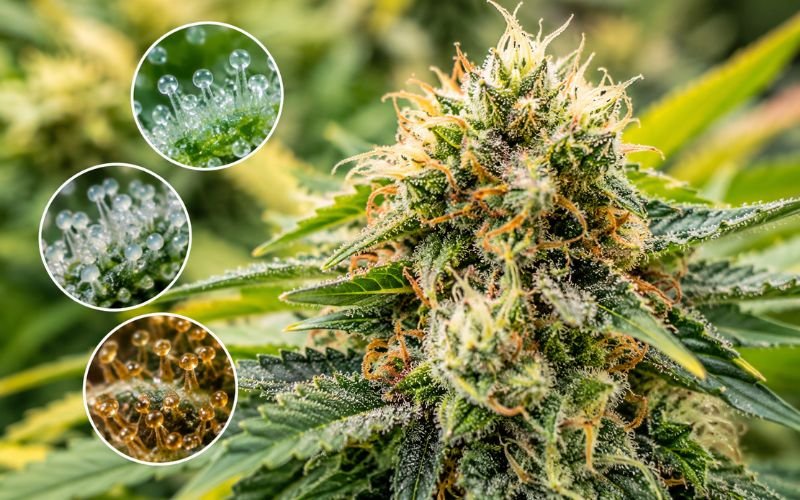
The Death Bubba strain has earned a lasting reputation in Canada’s cannabis scene, particularly in British Columbia, where its origins are commonly traced. Known for its earthy, pungent aroma and dense, resin-covered flowers, this indica-dominant hybrid appeals to people interested in classic Kush genetics.
For growers, there is more to consider than its reputation. Death Bubba is commonly reported to flower in around eight to nine weeks indoors, but the actual timing depends on the plant’s genetics, growing environment and maturity. Its compact structure can also make airflow and moisture management important considerations.
This guide covers Death Bubba’s genetic background, flowering time, plant characteristics and growing challenges, with a focus on what Canadian readers should know.
What Is the Death Bubba Strain?
Death Bubba is an indica-dominant cannabis hybrid commonly described as a cross between Death Star and Bubba Kush. It is associated with British Columbia’s cannabis culture and is known for its dense flowers, strong earthy aroma and heavy Kush-like character.
Here are the key characteristics commonly associated with the strain:
| Characteristic | Commonly reported information |
| Strain name | Death Bubba |
| Genetics | Death Star × Bubba Kush |
| Classification | Indica-dominant hybrid |
| Origin | British Columbia, Canada |
| Indoor flowering time | Approximately 8–9 weeks |
| Plant structure | Compact and bushy |
| Flower appearance | Dense, resin-covered buds, sometimes with purple tones |
| Aroma | Earthy, pungent, skunky and fuel-like |
| Growing considerations | Airflow, humidity and dense flower development |
These are general strain descriptions, not guaranteed specifications for every seed or clone sold under the Death Bubba name. Published strain information can vary between sources, and a specific grower’s results may differ.
Death Bubba Genetics and Origins
Death Bubba’s genetic background helps explain why it is often associated with dense flowers and a pronounced, earthy aroma. Its commonly reported parent strains are Death Star and Bubba Kush, two cultivars with distinct characteristics.
Death Star: The Fuel-Like Aromatic Influence
Death Star is commonly described as a cross between Sensi Star and Sour Diesel. Its reported aroma profile includes pungent, skunky and diesel-like notes.
Within the commonly reported Death Bubba lineage, Death Star is associated with the sharper, fuel-like side of the aromatic profile. The exact traits expressed by an individual Death Bubba plant will depend on its genetics, however, so the parentage alone cannot predict the aroma of every crop.
Bubba Kush: The Classic Kush Influence
Bubba Kush is known for its earthy, rich and sometimes coffee-like aromatic character. It is also associated with a compact plant structure and dense flowers.
These characteristics help explain why Death Bubba is frequently described as a traditional Kush-style cultivar rather than a fruit-forward modern hybrid.
It is worth remembering that cannabis strain names do not always guarantee identical genetics. If genetic consistency matters, check the breeder’s information and the provenance of the particular seed or clone.
Death Bubba Strain Characteristics
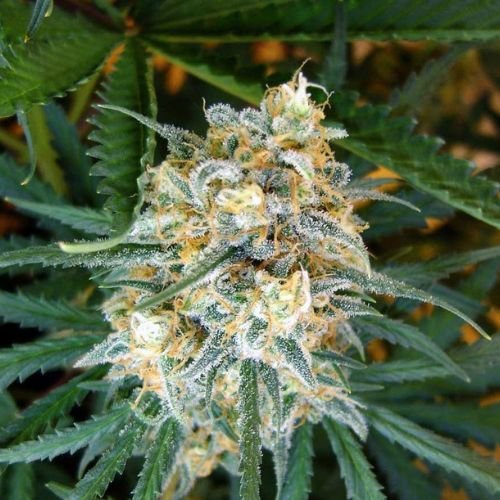
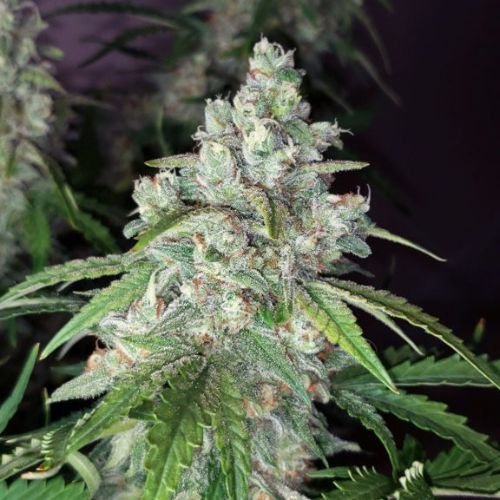
Appearance
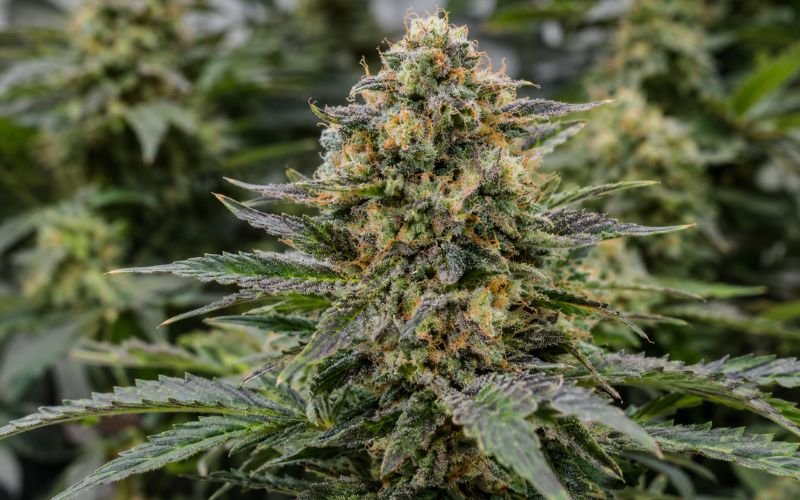
Death Bubba is commonly described as having dark green flowers with substantial trichome coverage. Some plants develop purple hues, although colour varies with genetics and growing conditions.
The flowers are often dense rather than loose and airy. That appearance contributes to the strain’s reputation, but it also makes the condition of the inner flower structure worth monitoring.
Aroma and Flavour
The reported aroma typically centres on three characteristics:
- Earthy: A deep, soil-like and Kush-associated scent.
- Pungent: A strong aroma that can linger after handling.
- Fuel-like and skunky: Sharper notes commonly associated with the Death Star side of its reported lineage.
Pine, spice or subtle sweet notes may also appear, depending on the particular phenotype and the finished product.
Aroma descriptions are subjective, and terpene concentrations can vary between batches. The strain name alone does not establish the precise terpene profile of a particular product.
Potency and Reported Effects
Death Bubba is often marketed as a high-THC strain. However, there is no single THC percentage that applies to every Death Bubba product. The reliable figure is the laboratory result on the specific product’s label.
Consumer descriptions commonly associate it with relaxation and sleepiness. These are reported experiences rather than guaranteed effects or evidence that the strain treats a medical condition.
People who choose to consume cannabis should be aware that THC can impair attention, coordination and judgment. Avoid driving or operating machinery while impaired.
How Long Does the Death Bubba Strain Take to Flower?
The commonly reported indoor flowering time for Death Bubba is approximately eight to nine weeks, or about 56–63 days after flowering begins. Some sources report slightly different ranges, so this should be treated as an estimate rather than a fixed harvest date.
Flowering time is not the same as the total time from germination to harvest. The plant’s earlier growth period must also be considered when estimating the length of a full growing cycle.
What Affects Flowering Time?
Several factors can influence when a particular plant reaches maturity:
- Genetics: Different phenotypes may mature at different rates.
- Growing environment: Temperature, light and general plant health can influence development.
- Moisture management: Persistent environmental stress can affect plant health and flower development.
- Harvest maturity: A calendar estimate cannot establish whether the flowers are ready.
Rather than relying on a breeder’s advertised number alone, use it as a reference point and compare it with the actual plant’s development. If you are growing from a clone, the plant’s established developmental stage also matters when estimating the remaining time.
Indoor Versus Outdoor Flowering
Indoor and outdoor timelines should not be treated as interchangeable.
| Growing environment | What to consider |
| Indoor | The grower has greater control over the environment, but flowering time still varies with genetics and plant condition. |
| Outdoor | Seasonal weather, daylight changes and the onset of autumn conditions can affect the plant’s development and harvest window. |
There is no universally reliable outdoor harvest date for every Canadian location. Conditions in coastal British Columbia differ from those in Ontario, Alberta and Atlantic Canada.
Death Bubba Grow Guide for Canadian Conditions
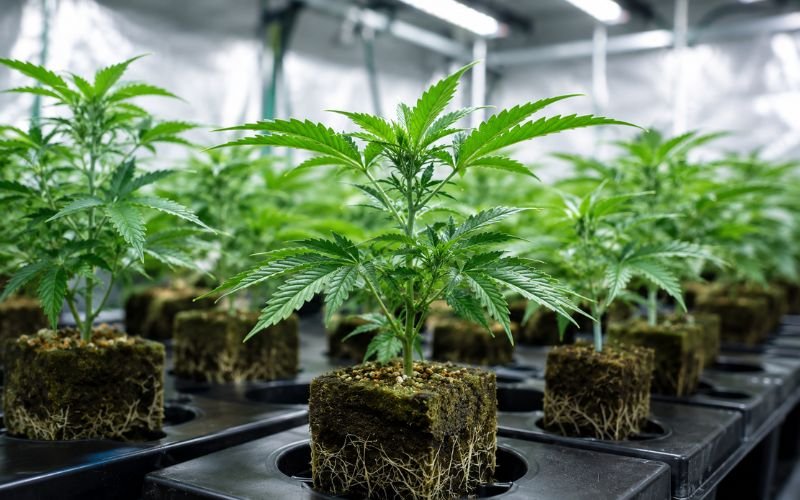
Death Bubba’s compact growth and dense flowers are worth considering when assessing whether it suits a particular growing environment. The main challenges are not simply achieving flowering; they include maintaining plant health and managing moisture around dense flower structures.
The following guidance focuses on general plant-health considerations rather than promising a particular yield or outcome.
1. Understand the Plant’s Structure
Death Bubba is commonly described as compact and bushy. This can be useful where vertical space is limited, but a dense canopy can restrict air movement through the plant.
Before choosing a cultivar, consider the available space, ventilation and whether the growing environment can accommodate the plant’s eventual size.
2. Pay Attention to Humidity and Airflow
Dense flowers can retain moisture, creating conditions in which mould may develop. Health Canada’s home-growing guidance recommends sufficient ventilation to remove excess moisture and humidity and help prevent mould.
Warning signs to take seriously include:
- Unusual grey or brown areas within flowers.
- Soft or decaying plant tissue.
- A musty smell that differs from the plant’s normal aroma.
- Visible fungal growth.
Do not assume that a dense flower is healthy simply because its exterior looks attractive. If mould is suspected, avoid consuming the affected material.
3. Account for Canada’s Regional Climate
Canada is too geographically varied for one outdoor growing calendar to suit every region.
In coastal British Columbia, growers may face extended periods of damp weather. In other parts of the country, short outdoor seasons, early autumn cold or sudden temperature changes may be more relevant.
The practical question is whether local conditions provide a suitable, lawful growing environment for the cultivar’s full development. A flowering estimate from a grower in one province should not automatically be applied to another.
4. Avoid Assuming That All Plants Will Perform Alike
Even plants sold under the same strain name can differ. Seed-grown plants may show more variation than genetically identical clones, and different suppliers may not offer identical genetic material.
For that reason, be cautious with claims about guaranteed flowering times, exact THC percentages or exceptional yields. Ask for breeder documentation or other verifiable information if consistency is important.
5. Keep Plant Health and Household Safety in Mind
Health Canada advises growers to obtain seeds or immature plants from legal sources and to follow the applicable rules. It also warns that pesticides are not registered specifically for cannabis grown at home, so products labelled for general garden use should not automatically be assumed safe for cannabis.
A healthy-looking plant is not proof that the finished material is free of contaminants. Avoid unsupported claims about pesticide safety, potency or the quality of an untested crop.
Is Death Bubba Suitable for Beginner Growers?
Death Bubba may be manageable for a beginner who has access to a suitable environment, but it is not necessarily the easiest starting point.
The strain’s commonly reported compact structure may be convenient in limited spaces. Its dense flowers, however, mean that moisture and mould deserve attention. A grower who cannot adequately manage ventilation or monitor plant health may find this more challenging than expected.
Consider these factors before selecting the strain:
- Space: Does the growing area suit a compact but potentially bushy plant?
- Environment: Can excess moisture be controlled?
- Experience: Are you comfortable identifying plant-health problems?
- Genetic reliability: Can the supplier provide credible information about the cultivar?
- Legal requirements: Is home cultivation permitted under the rules that apply where you live?
The best choice depends on your circumstances, not simply the popularity of the strain.
Growing Death Bubba Legally in Canada
Canadian cannabis cultivation rules require particular attention because federal permission does not override every provincial, territorial or municipal restriction.
Under the federal framework, adults of legal age may generally grow up to four cannabis plants per household for non-medical purposes, subject to applicable restrictions. Provincial and territorial rules can be more restrictive, and some jurisdictions prohibit home cultivation.
Before growing Death Bubba or any other cannabis cultivar:
- Check the current rules for your province or territory.
- Review municipal bylaws and any applicable zoning, fire-safety and building requirements.
- Check tenancy or condominium restrictions that may apply to your home.
- Obtain seeds or plants through a legally authorized source.
- Keep cultivation secure and prevent access by children and pets.
For further information, consult Health Canada’s official resource: Growing cannabis at home safely.
The four-plant federal allowance is not a blanket authorization for every Canadian resident. Always verify the rules that apply to your specific location before starting.
Frequently Asked Questions About the Death Bubba Strain
What Are the Genetics of Death Bubba?
Death Bubba is commonly reported as a cross between Death Star and Bubba Kush. It is associated with British Columbia and is generally classified as an indica-dominant hybrid.
What Is the Flowering Time of the Death Bubba Strain?
The commonly reported indoor flowering time is around eight to nine weeks. Actual timing varies with genetics, environmental conditions and plant maturity.
Is Death Bubba an Indica or a Sativa?
Death Bubba is generally classified as an indica-dominant hybrid. Individual plants may vary in their characteristics, and the classification does not guarantee a particular experience.
What Does Death Bubba Smell Like?
The strain is commonly associated with earthy, pungent, skunky and fuel-like aromas. Some phenotypes may also express pine, spice or sweeter notes.
Is Death Bubba Suitable for Outdoor Growing in Canada?
Suitability depends on the local climate, the cultivar’s maturity period and the rules governing cultivation in that location. Canada’s regional weather differences make a single nationwide outdoor harvest estimate unreliable.
Is Death Bubba Easy to Grow?
It may be manageable for growers with suitable environmental controls, but its dense flowers can make moisture management important. A beginner should assess their space, ventilation and ability to identify mould before choosing it.
Does Death Bubba Always Have High THC?
No. THC content varies between plants, batches and products. Use the laboratory-tested figure for the specific product rather than assuming a particular percentage from the strain name.
Is Home Cultivation of Death Bubba Legal Throughout Canada?
No. Federal law permits limited home cultivation subject to restrictions, but provincial, territorial and municipal rules can impose additional limits or prohibit it. Check the current requirements for your location before growing.
Final Thoughts
The Death Bubba strain stands out for its reported Death Star and Bubba Kush genetics, classic earthy and fuel-like aroma, compact structure and typical indoor flowering period of eight to nine weeks.
For Canadian readers, the most useful considerations are genetic consistency, realistic flowering expectations, the risk of moisture around dense flowers, and the laws that apply to home cultivation in their province or territory.
Treat strain specifications as starting points rather than guarantees. Reliable supplier information, careful attention to plant health and compliance with local rules are more useful than exaggerated promises about potency or yield.