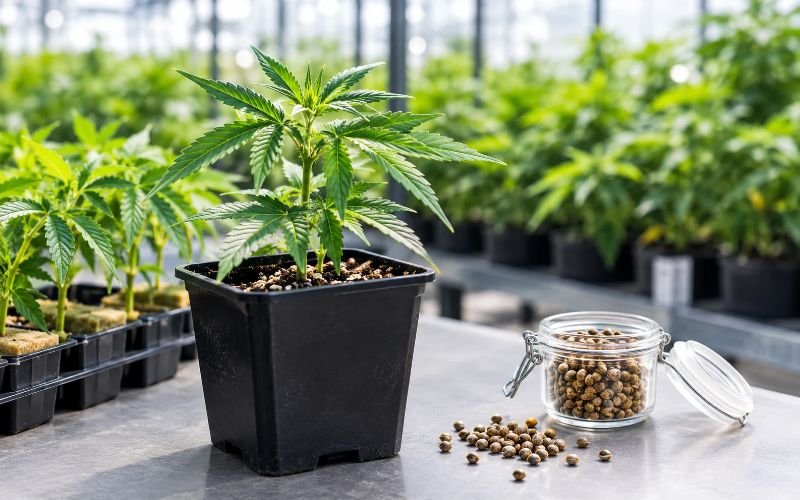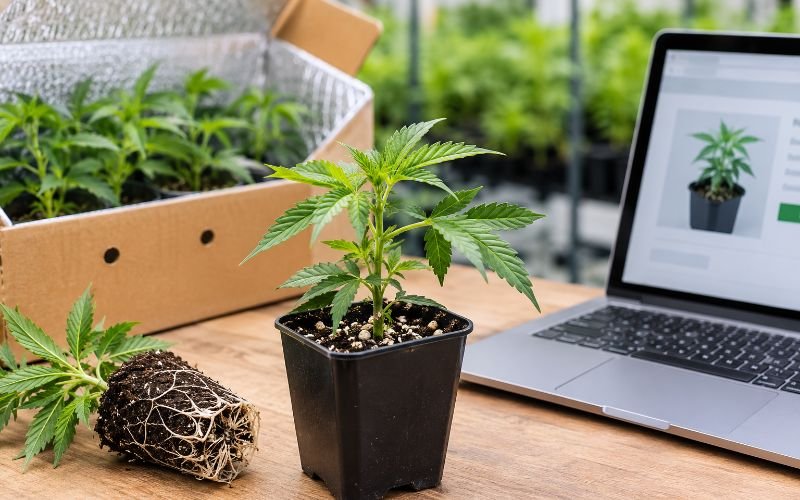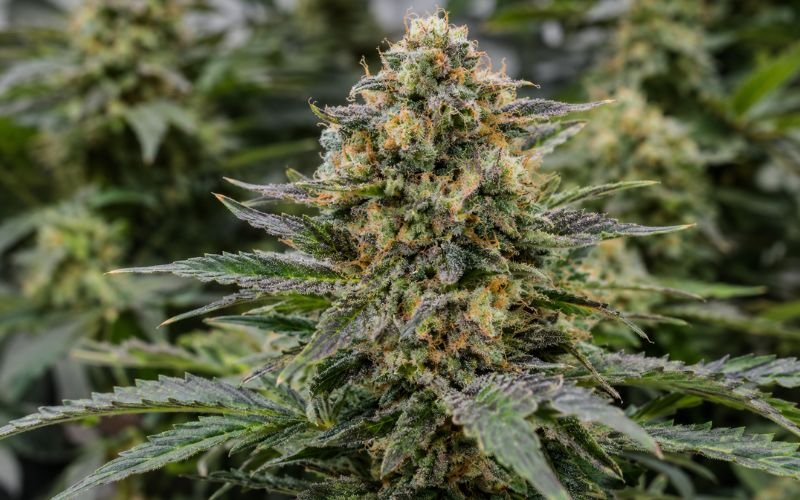
Choosing cannabis genetics is one of the first decisions a grower needs to make when researching a new cultivation project. With new strain names appearing regularly, finding reliable information about genetics, plant health, and supplier transparency can take time.
Cannabis clones offer a different starting point from seeds. Instead of beginning with a seed, a clone is a cutting taken from an existing mother plant. This gives the plant the same underlying genetics as its source, although growing conditions and plant health still influence its development.
At Premium Cannabis Clone, the featured collection includes several newer additions and interesting strain names, including White Truffle, Donkey Butter, Jokerz Candy, Pink Marker, Lindsay OG Kush, and Laughing Gas.
In this guide, we introduce 10 featured cannabis clone varieties and explain what growers should investigate before selecting a particular genetic line. We also cover important considerations around clone quality, genetic documentation, and Canadian home-cultivation regulations.
What Are Cannabis Clones?
Cannabis clones are young plants produced from cuttings taken from an existing cannabis plant. Because they originate from the same mother plant, properly propagated clones carry the same genetic makeup as their source.
This is one reason growers research clones when comparing cannabis genetics.
However, having the same genetics does not mean every clone will develop identically. Environmental conditions, plant health, propagation quality, and cultivation practices can all influence the final result.
Before evaluating a clone, it helps to understand three important factors:
- Genetic identity: The documented strain name and, where available, its breeder and genetic lineage.
- Plant health: The condition of the cutting, including visible signs of pests, disease, or physical damage.
- Supplier transparency: Whether the seller provides reliable information about the mother plant, propagation history, and plant condition.
A strain name alone does not establish genetic authenticity. Documentation from the breeder or original genetic source is much more useful.
Top 10 New Cannabis Clones to Know About
The following ten names appear in the featured collection shown on Premium Cannabis Clone. They offer a starting point for researching different cannabis genetics.
One distinction is important: the names below identify listed products, not independently verified genetic profiles. Before treating any particular lineage, terpene profile, flowering period, or yield figure as factual, check the relevant breeder or supplier documentation.
1. Lindsay OG Kush
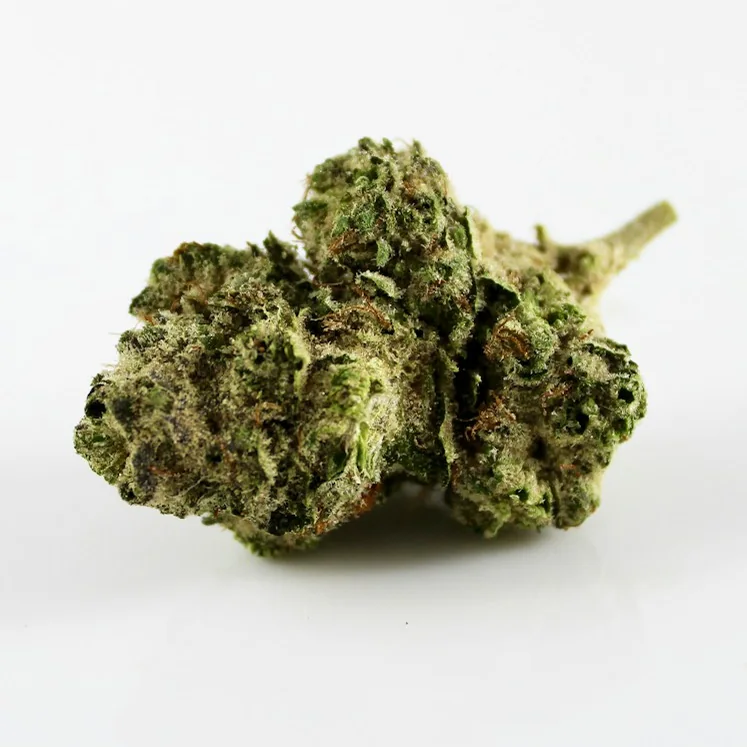
Strain type: Indica-dominant
Reported THC: 20–28%
Reported flowering time: 9–10 weeks
Genetics: OG Kush lineage
Lindsay OG Kush is an indica-dominant cannabis variety associated with the classic OG Kush genetic family. It is known for its traditional Kush-style aromatic profile, featuring strong fuel, earthy, and pine-like notes.
Its pungent aroma and established OG-inspired background give this selection a recognizable identity among traditional Kush varieties. The product listing also identifies myrcene, limonene, and caryophyllene as commonly associated terpenes.
The reported flowering period is approximately 9–10 weeks, although actual timing can vary depending on the particular genetic selection and growing environment.
2. Laughing Gas
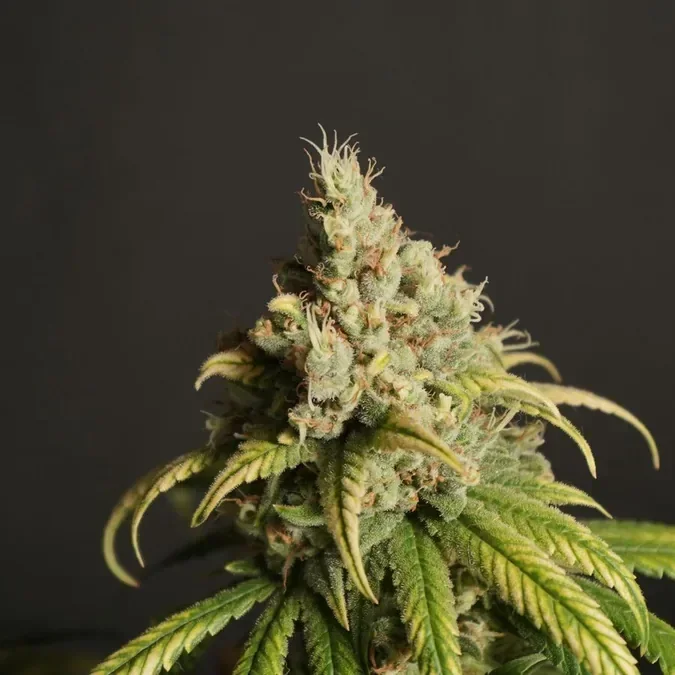
Strain type: Hybrid
Reported THC: 20–28%
Reported flowering time: 8–9 weeks
Genetic designation: F9-2
Laughing Gas is a hybrid cannabis variety recognized for its fuel-forward aromatic profile. Its commonly reported characteristics include diesel, earthy, pine, and subtle sweet notes.
One reported version of this cultivar is associated with Sour Diesel and Cherry Pie genetics. However, its individual product listing identifies the selection as F9-2, so the exact parentage should be confirmed with the original genetic source.
The listed terpene associations include caryophyllene, limonene, and myrcene. Its reported flowering period is approximately 8–9 weeks.
3. White Truffle
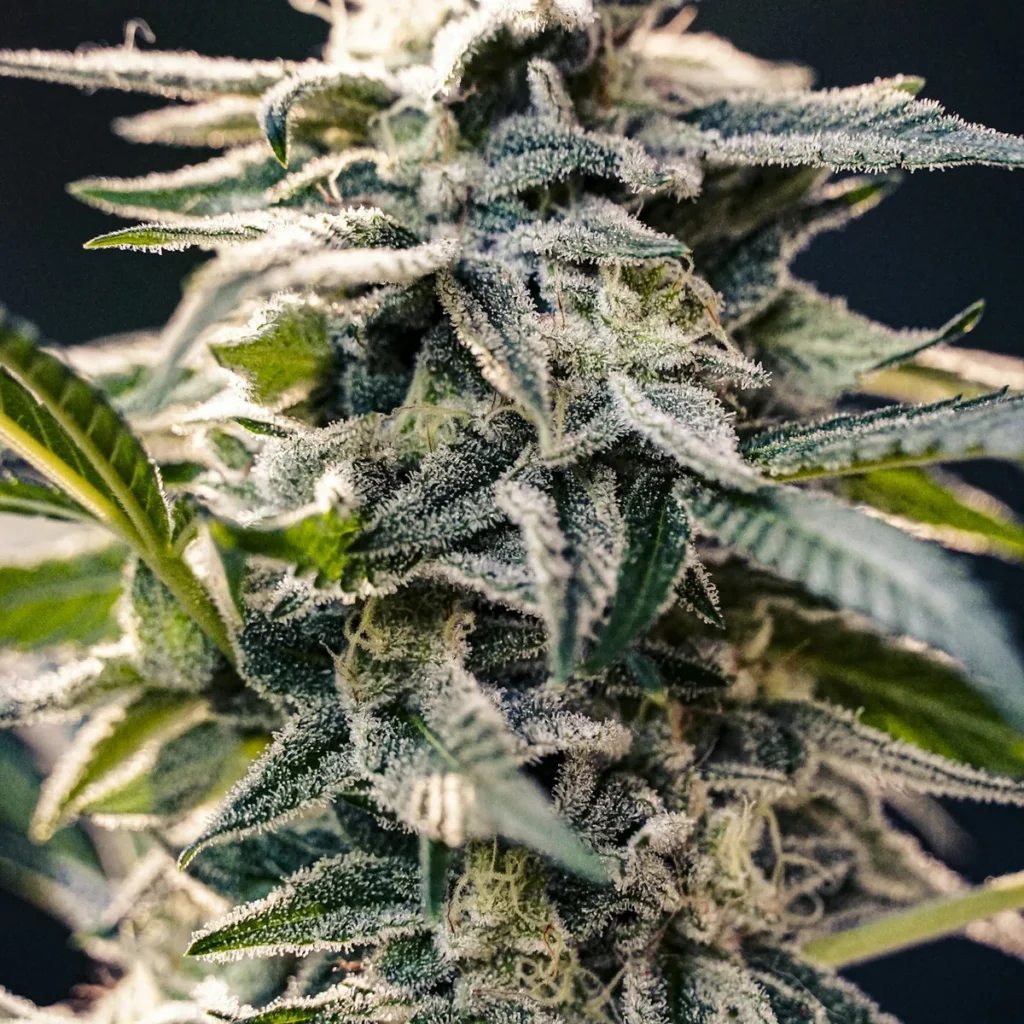
Strain type: Indica-dominant hybrid
Reported THC: 18–26%
Reported flowering time: Approximately 8–10 weeks
Genetics: GG4 × Peanut Butter Breath (Gorilla Butter background)
White Truffle is an indica-dominant hybrid associated with Gorilla Butter genetics, combining the reported backgrounds of GG4 (Gorilla Glue #4) and Peanut Butter Breath.
Its aromatic identity is quite different from sweeter, fruit-forward cultivars. White Truffle is commonly associated with earthy, nutty, and pungent notes, accompanied by subtle diesel and peppery characteristics.
The product description also highlights its dense, frosty flower appearance. Caryophyllene, limonene, and myrcene are listed among its commonly reported terpene associations.
Its flowering period is generally reported at around 8–10 weeks, depending on the particular selection and growing conditions.
4. Donkey Butter
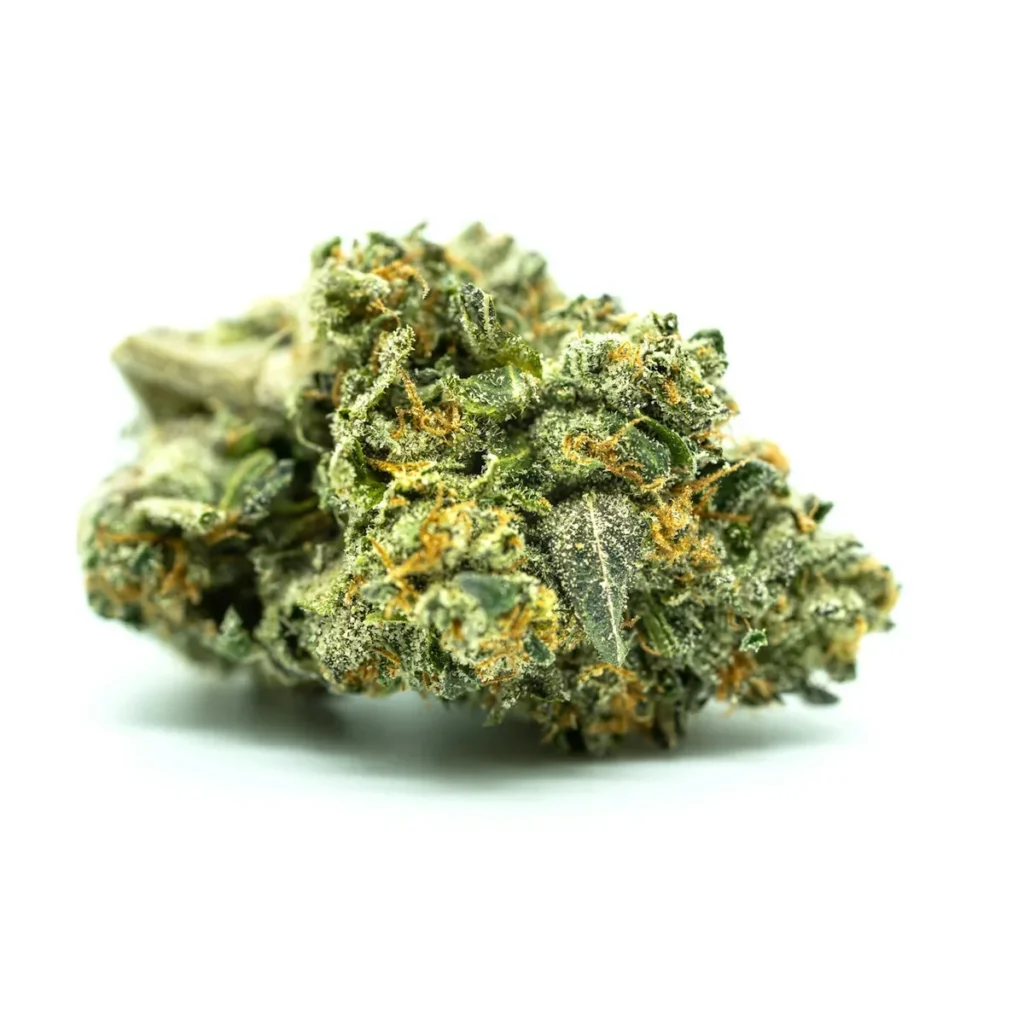
Strain type: Indica-dominant hybrid
Reported THC: 18–26%
Reported flowering time: Approximately 8–9 weeks
Genetics: Grease Monkey × Triple OG
Donkey Butter is an indica-dominant hybrid associated with Grease Monkey and Triple OG genetics. This combination gives the cultivar its distinctive, fuel-forward aromatic identity.
Its commonly reported aroma includes strong diesel, earthy, pine, and peppery notes. Compared with dessert-inspired or fruit-forward varieties, Donkey Butter is better known for its pungent and traditional Kush-style characteristics.
The product listing also describes its flowers as dense and resin-rich. Its commonly reported terpene associations include caryophyllene, limonene, and myrcene.
The reported flowering period is approximately 8–9 weeks.
5. Jokerz Candy
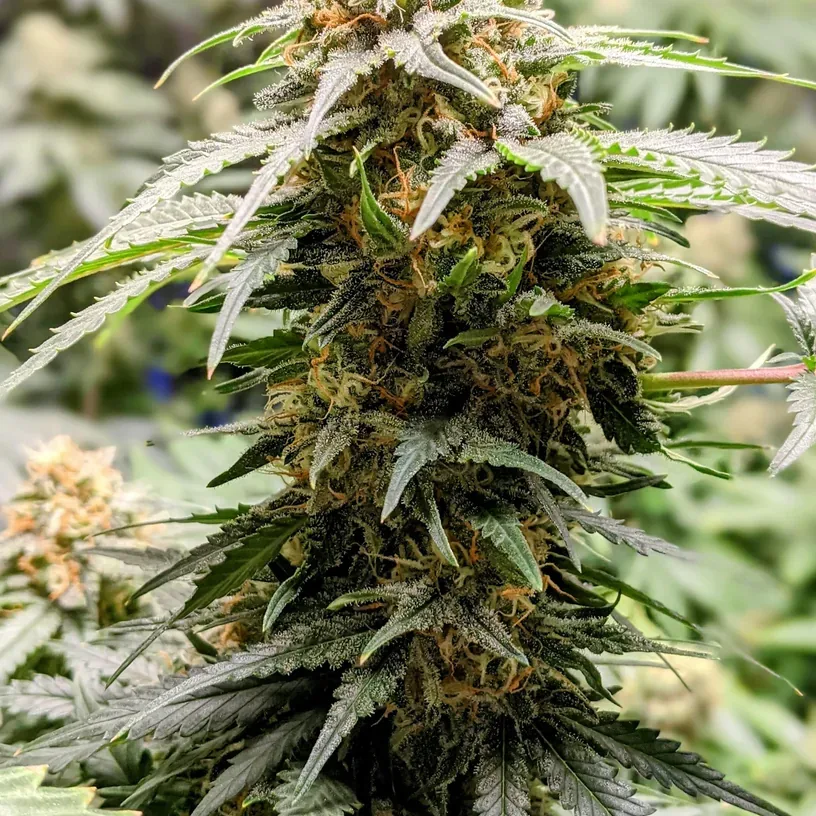
Strain type: Hybrid
Reported THC: 20–28%
Reported flowering time: Approximately 8 weeks
Genetics: RSP-selected cultivar; parentage not verified in the listing
Jokerz Candy is a modern hybrid cannabis cultivar with a distinctive combination of candy-inspired sweetness, creamy undertones, and subtle fuel-like aromas.
The particular RSP selection listed by Premium Cannabis Clone has a dessert-inspired aromatic profile. Its combination of sweet, creamy, earthy, and slightly pungent characteristics distinguishes it from more traditional gas-forward varieties.
The product page identifies caryophyllene, limonene, and myrcene as commonly reported terpene associations. It also lists an approximate flowering period of eight weeks.
One important distinction is that RSP refers to the particular selection featured in the listing. The product page does not provide a verified parent cross, so its exact genetic lineage should be confirmed with the supplier.
6. Pink Marker
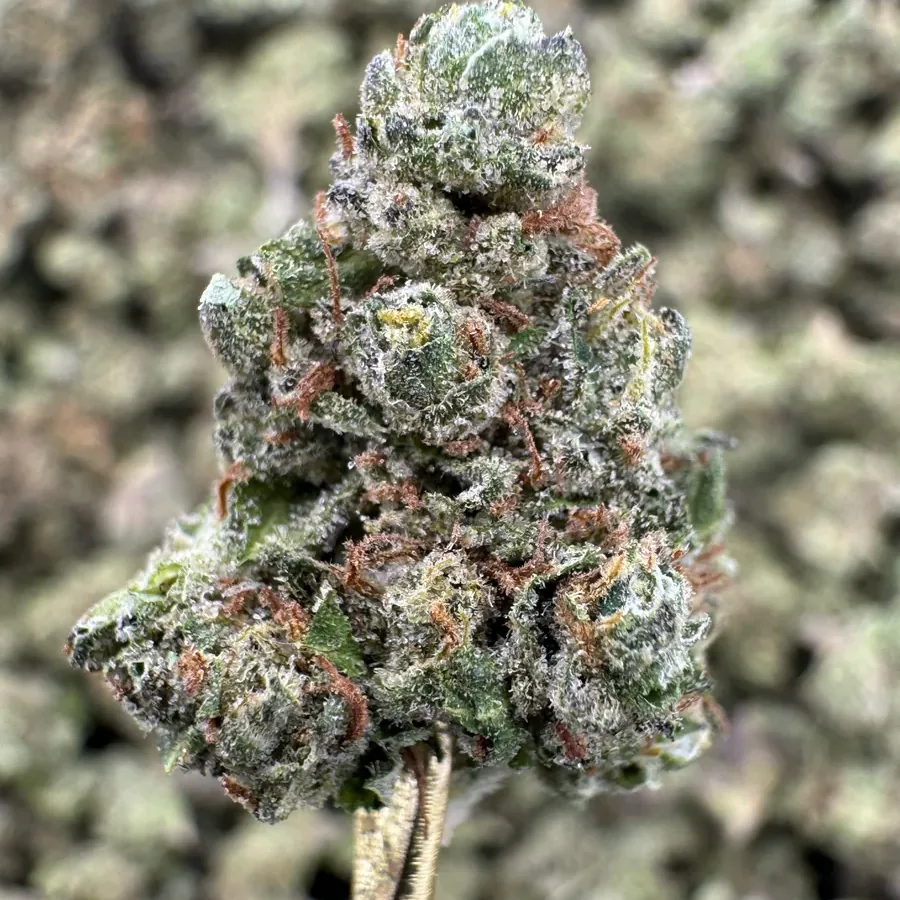
Strain type: Hybrid
Reported THC: Not independently verified
Reported flowering time: Approximately 8 weeks
Genetics: Pink × Permanent Marker (as listed in the product specifications)
Pink Marker is a modern hybrid selection listed in the Premium Cannabis Clone collection. Its product specifications identify Pink × Permanent Marker as its genetic background.
This combination connects the selection with two recognizable names in contemporary cannabis genetics. Its specific aromatic profile, cannabinoid levels, and plant characteristics should be supported by selection-specific breeder information rather than assumed from the parent names.
The product page currently contains some conflicting Monkey Cum text, so the genetic information and description should be corrected and confirmed before this section is published.
7. Gary Blanco
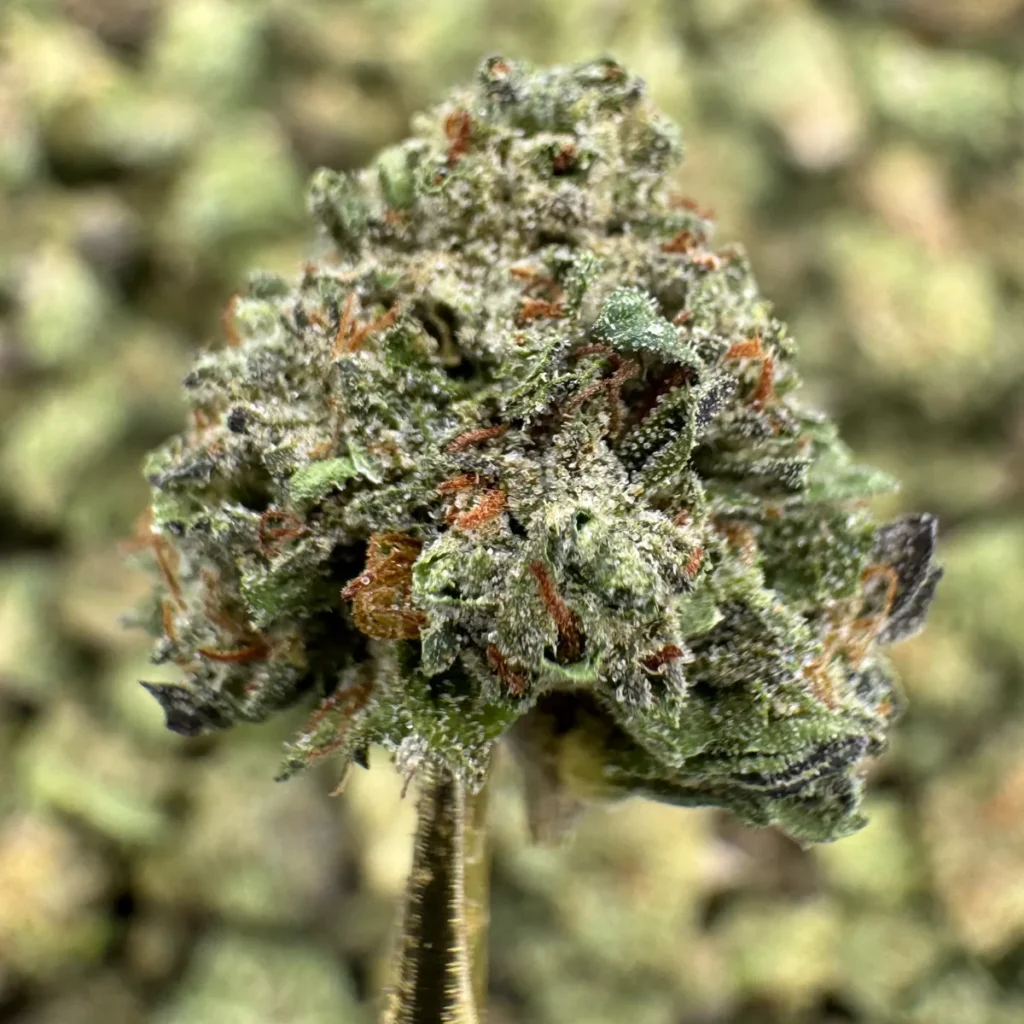
Strain type: Hybrid
Reported THC: 20–28%
Reported flowering time: 8–9 weeks
Genetics: Gary Payton × Blanco
Gary Blanco is a modern hybrid cannabis variety associated with Gary Payton and Blanco genetics. Its reported aromatic profile combines sweet, earthy, and fuel-like characteristics.
The combination of these two genetic backgrounds gives the cultivar a distinctive identity among contemporary hybrid varieties.
Caryophyllene, limonene, and myrcene are listed among its commonly reported terpene associations. Its product description also identifies an approximate flowering period of 8–9 weeks.
For readers researching modern hybrid genetics, Gary Blanco offers an interesting combination of two named genetic lines.
8. Monkey Cum
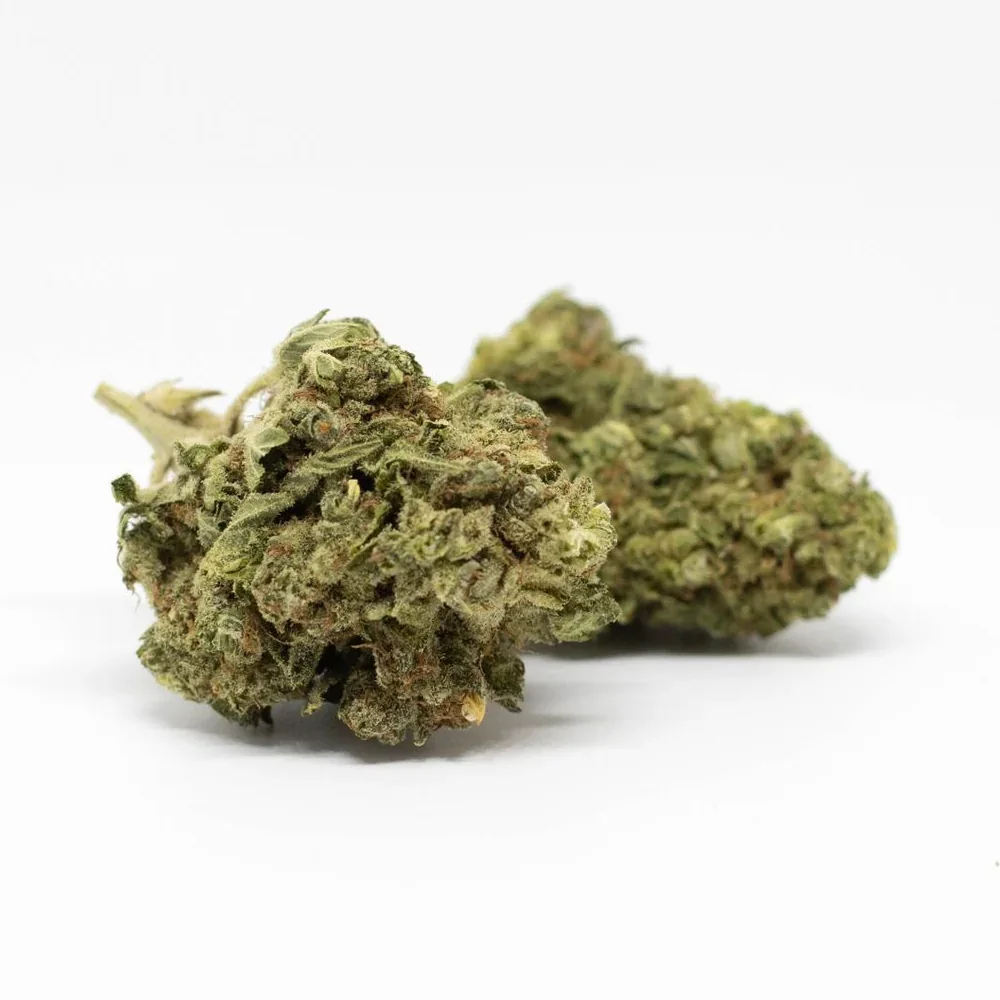
Strain type: Hybrid
Reported THC: 20–28%
Reported flowering time: Approximately 8–9 weeks
Genetics: Pink Rosay × Jokerz Candy
Monkey Cum is a modern hybrid cannabis variety listed as a cross between Pink Rosay and Jokerz Candy.
Its reported aromatic characteristics include sweet, floral, and candy-inspired notes, with a dessert-like quality. This combination gives the cultivar a different aromatic direction from traditional earthy or diesel-heavy varieties.
The product listing identifies limonene, caryophyllene, and myrcene as commonly reported terpene associations.
As a less-documented selection, its precise characteristics may vary between genetic selections. The listed flowering period is approximately 8–9 weeks.
9. Master Kush Ultra
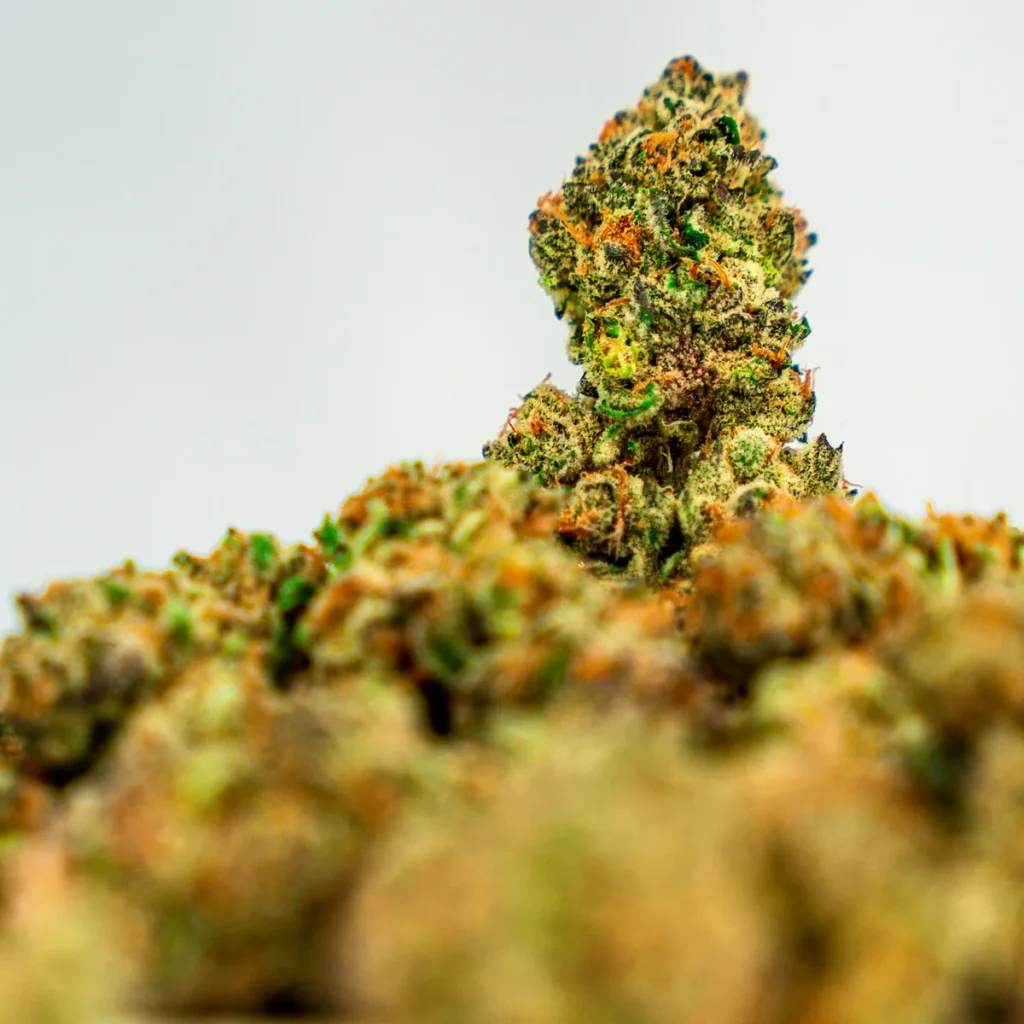
Strain type: Indica
Reported THC: 18–25%
Reported flowering time: 9–10 weeks
Genetics: OG Kush × G13
Master Kush Ultra is an indica-dominant cannabis variety associated with OG Kush and G13 genetics.
Its aromatic profile reflects traditional Kush-inspired characteristics, with earthy, woody, pungent, and peppery notes accompanied by subtle citrus undertones.
The product listing identifies myrcene, caryophyllene, and limonene as commonly reported terpene associations. It also describes the variety as having relaxing, sleepy, and tingly characteristics.
With a reported flowering period of approximately 9–10 weeks, Master Kush Ultra stands out as a selection with a traditional Kush-style genetic background.
10. Rockstar
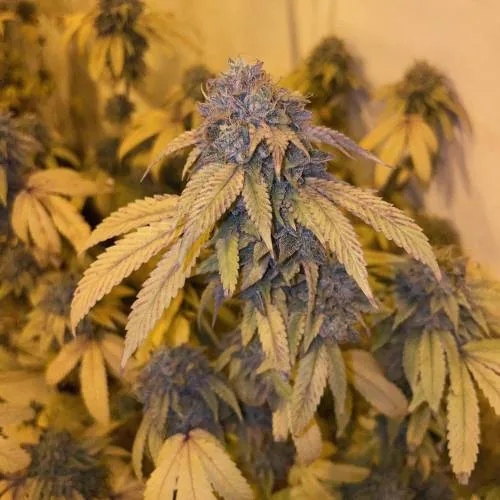
Strain type: Indica-dominant
Reported THC: 16–24%
Reported flowering time: 9–10 weeks
Genetics: Rockbud × Sensi Star
Rockstar is included in the Premium Cannabis Clone shop collection as a separate product listing.
However, its individual product page currently needs further verification. The available Rockstar Platinum information on the website should not automatically be applied to this selection because Rockstar and Rockstar Platinum are listed separately.
Before publishing a detailed description, the product should have its own confirmed genetic lineage, strain classification, aromatic profile, and flowering information.
This will help ensure that readers receive accurate information about the specific Rockstar selection rather than details borrowed from another cultivar.
How to Evaluate Cannabis Clone Quality
Choosing a cannabis clone involves more than comparing strain names. The quality and traceability of the plant material matter just as much as the advertised genetics.
Here are five areas worth checking when evaluating a supplier.
1. Genetic authenticity
Start by identifying the original breeder or genetic source.
A reliable supplier should be able to explain where the genetics originated and provide supporting information where available.
Be cautious of listings that use popular strain names without identifying the source.
2. Visible plant condition
Photographs can help with an initial assessment, but they are not a substitute for inspecting the actual plant.
Look for clear photographs of the live clone rather than relying exclusively on photographs of harvested cannabis flowers.
Questions worth asking include:
- Are the photographs of the actual plant?
- Is the plant visibly healthy?
- Are there signs of pest damage or unusual leaf discoloration?
- Has the plant been inspected before dispatch?
3. Pest and disease information
Plant-health information should be an essential part of evaluating any live-plant supplier.
Ask whether the supplier follows documented inspection procedures and whether any relevant plant-health records are available.
A seller’s statement that plants are pest-free should not be confused with independently verified testing.
4. Supplier transparency
A trustworthy supplier should provide clear information about the product, its origin, and the responsibilities of the seller.
Check whether the business identifies the actual seller, provides contact information, explains its policies, and makes relevant documentation available.
For affiliate platforms, remember that the supplier handling the transaction is responsible for providing the actual product and fulfilment information.
5. Delivery and replacement policies
Live plants require appropriate handling during transportation.
Before entering into any transaction, review the supplier’s policies covering:
- Delivery arrangements.
- Packaging and handling.
- Plant condition upon arrival.
- Reporting damaged or unhealthy plants.
- Replacement or refund eligibility.
Do not assume that every seller featured on a directory or affiliate website follows identical policies.
Cannabis Clones vs. Cannabis Seeds: What Is the Difference?
Cannabis clones and seeds represent two different starting points for understanding cannabis genetics.
| Comparison | Cannabis clones | Cannabis seeds |
| Starting material | Cutting from an existing plant | Seed |
| Genetic origin | Same genetic source as mother plant | Depends on parent genetics and seed type |
| Plant development | Begins as an established cutting | Begins with germination |
| Genetic variation | Clones from the same source share the underlying genetics | Seed-grown plants can vary depending on genetics |
| Information to check | Mother plant and propagation records | Breeder, seed type and genetic lineage |
Neither option automatically guarantees a particular plant outcome. Genetic quality, plant health, environmental conditions, and the accuracy of supplier information remain important.
Understanding Cannabis Genetics Before Choosing a Clone
One of the most common mistakes when researching cannabis clones is assuming that a strain name tells the complete story.
It does not.
Two listings may use the same strain name while representing different genetic selections. Without breeder information or reliable lineage records, it can be difficult to establish whether they are genuinely the same genetic line.
There are three useful terms to understand:
Genetic lineage: The documented parentage and genetic background of a particular selection.
Phenotype: The observable characteristics expressed by a plant. Plants with the same underlying genetics can still show differences in appearance and development.
Mother plant: The original plant from which cuttings are taken to produce clones.
Understanding these terms helps readers evaluate product descriptions more critically and ask better questions when comparing suppliers.
Is Growing Cannabis at Home Legal in Canada?
Cannabis cultivation laws in Canada depend on both federal and provincial or territorial regulations.
Under federal law, adults of legal age may generally cultivate up to four cannabis plants per household for non-medical purposes, subject to applicable provincial, territorial, and municipal restrictions.
However, there are important exceptions.
For example:
- Quebec prohibits non-medical home cultivation.
- Nunavut prohibits non-medical home cultivation.
- Manitoba introduced residential home cultivation rules effective May 1, 2025, allowing eligible adults aged 19 or older to grow up to four plants indoors, subject to applicable requirements.
Other local restrictions may apply through municipal bylaws, tenancy agreements, condominium rules, and property requirements.
Health Canada also advises consumers to obtain seeds or immature plants from legal sources, such as authorized retailers in their province or territory.
Before acquiring any cannabis plant material, verify the current rules applicable to your location.
Official information: Health Canada – Growing Cannabis at Home Safely.
Frequently Asked Questions About Cannabis Clones
1. What are the newest cannabis clones available at Premium Cannabis Clone?
The featured collection in the supplied product screenshots includes Lindsay OG Kush, Laughing Gas, White Truffle, Donkey Butter, Jokerz Candy, Pink Marker, Gary Blanco, Monkey Cum, Master Kush Ultra, and Rockstar.
Product availability and listing details should be confirmed with the relevant supplier.
2. Are cannabis clones genetically identical to their mother plants?
Clones produced from a mother plant through vegetative propagation share the same underlying genetics as that source plant. However, environmental conditions, plant health, and other factors can influence how the plants develop.
3. How can you identify a genuine cannabis clone?
Check the genetic source, breeder information, mother-plant records, and available propagation documentation. A strain name or product photograph alone cannot establish genetic authenticity.
4. What should you check before selecting a cannabis clone?
Important considerations include genetic documentation, visible plant condition, pest and disease information, supplier transparency, and delivery policies.
5. Can adults grow cannabis at home in Canada?
Federal law generally permits adults of legal age to grow up to four cannabis plants per household, subject to provincial, territorial, and municipal restrictions. Some jurisdictions prohibit non-medical home cultivation entirely.
6. Can cannabis clones from different suppliers have different genetics despite sharing the same name?
Yes. Different suppliers may use the same strain name for selections with different genetic backgrounds. Checking the original breeder and documented lineage is the best way to investigate this issue.
7. Are cannabis clones better than seeds?
Neither is universally better. Clones originate from an existing mother plant, while seeds introduce a different starting point with characteristics that depend on their genetics and type. The appropriate choice depends on the individual’s circumstances and applicable laws.
Final Thoughts
Exploring new cannabis genetics can be interesting, but a strain name should never be the only basis for evaluating a clone.
The ten selections featured in this article provide a starting point for researching different genetic names available through Premium Cannabis Clone. Lindsay OG Kush, Laughing Gas, White Truffle, Donkey Butter, Jokerz Candy, Pink Marker, Gary Blanco, Monkey Cum, Master Kush Ultra, and Rockstar each deserve accurate product identification and supporting supplier information.
Before making any decision, pay attention to genetic documentation, plant-health information, and the reliability of the supplier. Also, make sure that any acquisition and cultivation of cannabis plant material complies with the laws applicable in your province or territory.
Good information starts with transparent sourcing, accurate product descriptions, and a clear understanding of the genetics being represented.