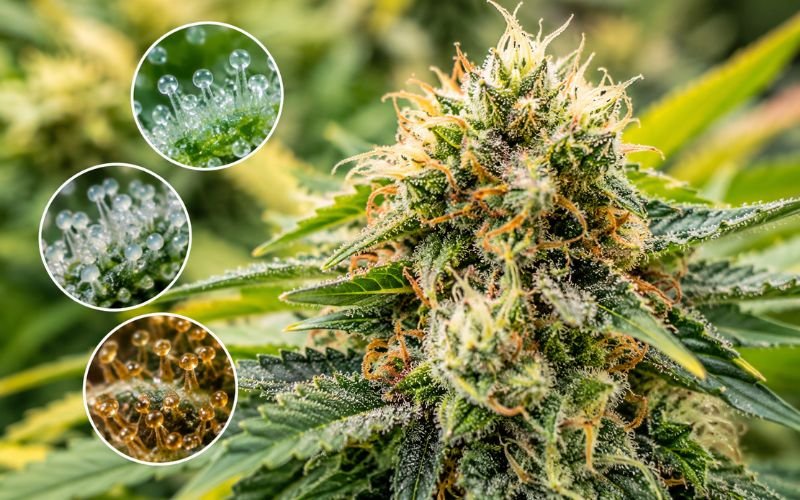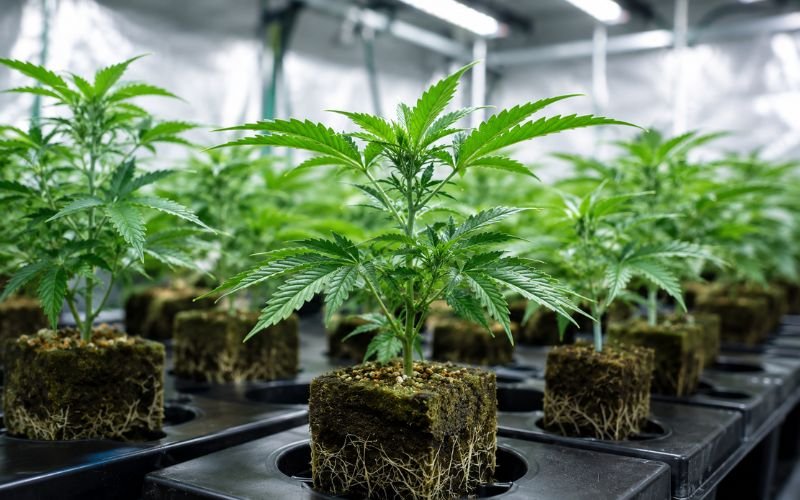
British Columbia has long been recognized as a global leader in cannabis genetics. Among its most sought-after offerings, BC Gas Bundle Pack Clones stand out for their pungent aroma, powerful effects, and commercial-grade yields. These genetics are prized by experienced growers who value consistency, potency, and terpene richness.
However, even elite genetics require the right cultivation approach. Growing premium cannabis clones successfully involves precision, environmental control, and an understanding of how clone-based cultivation differs from seed-grown plants.
This in-depth guide explains how to grow BC Gas Bundle Pack Clones successfully, combining expert cultivation insights, industry data, real-world examples, and actionable steps designed for growers who want reliable, repeatable results.
1. Understanding BC Gas Bundle Pack Clones
BC Gas Bundle Pack Clones typically include multiple gas-forward cultivars known for fuel-heavy aromas, dense bud structure, and high resin production. These genetics often share common traits:
Strong indica or indica-dominant hybrid structure
Dense internodes and thick branching
High terpene concentration dominated by myrcene and caryophyllene
Strong nutrient uptake and vigorous vegetative growth
Industry Insight:
Clone-based cultivation now accounts for over 65 percent of commercial cannabis production in Canada, primarily due to genetic consistency and reduced crop variability.
2. Why Clones Are Superior to Seeds for BC Gas Genetics
Growing BC Gas strains from seed introduces genetic variation, which can dilute the signature gas profile these cultivars are known for. Premium cannabis clones eliminate that risk.
Benefits of Using Clones
- Identical genetics across all plants
- Faster vegetative phase
- Predictable flowering time
- Uniform canopy and harvest
- Consistent terpene and cannabinoid profiles
Research Data:
Commercial facilities using clones report 20 to 30 percent higher harvest uniformity compared to seed-based operations.
3. Preparing the Ideal Grow Environment
BC Gas Bundle Pack Clones thrive in stable, controlled environments.
Optimal Environmental Parameters
- Temperature during vegetative stage: 21 to 26°C
- Temperature during flowering: 18 to 24°C
- Relative humidity for veg: 60 to 70 percent
- Relative humidity for flower: 40 to 50 percent
- Airflow: Constant but gentle circulation
Case Study:
A Canadian indoor grow facility reduced mold-related losses by 38 percent after dialing humidity below 50 percent during late flowering of gas-dominant clones.
4. Rooting and Early Clone Care
The first 10 to 14 days are critical.
Clone Establishment Checklist
- Use a sterile growing medium
- Maintain high humidity without oversaturation
- Provide low-intensity light
- Avoid heavy nutrients during early rooting
- Monitor daily for wilting or discoloration
Expert Tip:
BC Gas clones typically root faster than average strains due to strong lateral branching, often forming healthy roots within 7 to 10 days when conditions are stable.
5. Vegetative Growth Strategy
Once rooted, clones transition into vegetative growth quickly.
Best Practices for Vegetative Success
- Gradually increase light intensity
- Introduce nitrogen-rich nutrients slowly
- Train plants early using topping or low-stress training
- Maintain even canopy height
Industry Statistic:
Plants trained during early vegetative growth can produce up to 25 percent higher yields by maximizing light distribution
6. Nutrient Management for BC Gas Bundle Pack Clones
Gas-dominant strains are known to be moderately heavy feeders.
Nutrient Guidelines
- Vegetative phase: Balanced nitrogen-focused feeding
- Transition phase: Gradual phosphorus increase
- Flowering phase: Higher phosphorus and potassium
- Final weeks: Flush to enhance terpene expression
Common Mistake:
Overfeeding early in veg often leads to nutrient burn. BC Gas clones respond best to incremental nutrient increases.
7. Training Techniques to Maximize Yield
BC Gas Bundle Pack Clones respond exceptionally well to training.
Recommended Training Methods
- Topping for bushier structure
- Low-stress training for canopy control
- Screen of Green for commercial setups
- Defoliation to improve airflow during flowering
Case Example:
A grower implementing SCROG with BC Gas clones increased usable flower weight per square meter by 32 percent.
8. Flowering Phase Management
The flowering stage is where BC Gas genetics truly shine.
Flowering Best Practices
- Maintain lower humidity to protect dense buds
- Ensure strong airflow across canopy
- Monitor trichome development closely
- Avoid nitrogen-heavy nutrients late in flower
Typical Flowering Time:
Most BC Gas Bundle Pack Clones finish between 8 and 9 weeks, depending on cultivar and environment.
9. Pest and Disease Prevention
Dense, resin-heavy buds can attract problems if unmanaged.
Prevention Checklist
- Daily plant inspection
- Sticky traps for early pest detection
- Clean tools and grow space regularly
- Avoid excessive humidity
- Use biological pest controls when necessary
Industry Data:
Integrated pest management programs reduce crop loss by 30 to 40 percent in clone-based facilities.
10. Harvest Timing and Post-Harvest Handling
Harvest timing greatly impacts potency and aroma.
Harvest Tips
- Monitor trichomes rather than calendar days
- Harvest when trichomes are mostly cloudy with some amber
- Dry slowly at 18 to 20°C with 55 to 60 percent humidity
- Cure for at least 14 to 21 days
Expert Insight:
Proper curing can increase perceived terpene intensity by up to 20 percent, especially in gas-heavy cultivars.
11. Common Challenges and Solutions
Challenge: Stretch during early flower
Solution: Adjust light intensity and use training early
Challenge: Nutrient sensitivity
Solution: Reduce feed strength and monitor runoff EC
Challenge: Mold in dense buds
Solution: Improve airflow and reduce humidity below 50 percent
12. Why BC Gas Bundle Pack Clones Are Ideal for Serious Growers
These genetics are favored because they offer:
- Exceptional terpene profiles
- High THC potential
- Commercial-grade yields
- Strong market demand
- Consistency when grown as clones
For growers seeking reliable, premium-quality results, premium cannabis clones remain the gold standard.
Conclusion
Growing BC Gas Bundle Pack Clones successfully requires more than good genetics. It demands disciplined environmental control, thoughtful nutrient management, and proven cultivation techniques. When handled correctly, these clones reward growers with dense, aromatic, high-potency harvests that reflect the best of British Columbia cannabis culture.
By following the expert-backed strategies in this guide, cultivators can maximize both quality and yield while minimizing risk.
Final Call to Action
Ready to grow elite BC genetics with confidence? Explore BC Gas Bundle Pack Clones and other premium cannabis clones available at premiumcannabisclone.com. Start your next grow with proven genetics designed for consistency, potency, and professional results.
👉 Visit premiumcannabisclone.com today and elevate your cultivation to the next level.
Frequently Asked Questions
What are BC Gas Bundle Pack Clones?
They are curated cannabis clone packs featuring gas-forward BC genetics known for strong aroma, potency, and consistent growth.
How long do BC Gas Bundle Pack Clones take to flower?
Most cultivars flower within 8 to 9 weeks under optimal indoor conditions.
Are BC Gas clones suitable for beginners?
They are best suited for intermediate to experienced growers due to their feeding needs and dense bud structure.
Why are premium cannabis clones better than seeds?
Clones ensure genetic consistency, faster growth, predictable harvests, and uniform quality.
What yields can I expect from BC Gas Bundle Pack Clones?
With proper training and environment, growers commonly achieve high yields with dense, resin-rich buds.