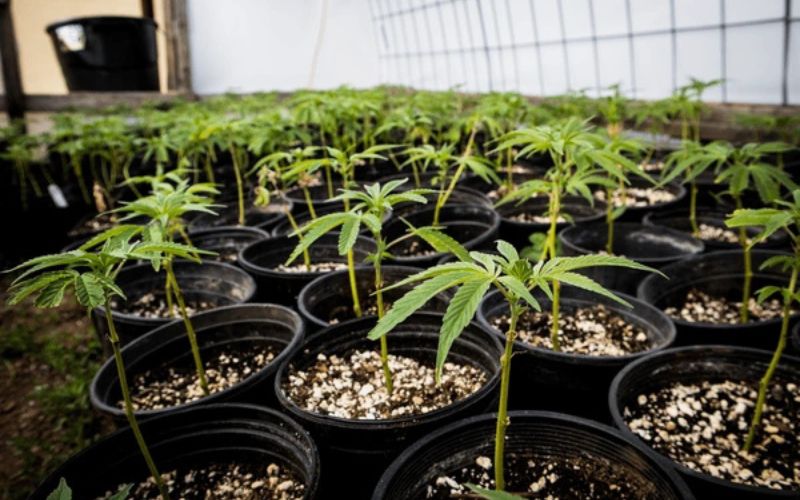
Shipping cannabis clones during winter can sound risky—cold temperatures, delayed couriers, and freezing conditions can all affect plant health. But with the right preparation, materials, and timing, cannabis clones can arrive healthy and ready to thrive, even in harsh winter months.
This guide explains exactly how cannabis clones are shipped safely in winter, what precautions are taken at every stage, and what growers should know to ensure success once the clones arrive.
Why Winter Shipping Needs Special Care
Cannabis clones are living plants. Unlike seeds, they are already rooted or freshly cut and rely on stable temperatures, humidity, and airflow to survive transit.
Winter introduces several challenges:
- Exposure to freezing temperatures
- Courier delays due to weather
- Low humidity drying out leaves
- Temperature shock during transit and delivery
To overcome these risks, winter shipping follows a much more controlled and protective process compared to warmer months.
Pre-Shipping Preparation: Strong Clones First
Healthy winter shipping starts before the clone is packed.
Only strong, disease-free clones are selected for cold-weather shipping. These clones typically have:
- Well-developed root systems
- Thick, sturdy stems
- Healthy green leaves with no stress signs
- No pests or pathogens
Clones are hydrated properly but not overwatered before packing. Excess moisture in winter can lead to rot, while dehydration can cause wilting—balance is critical.
Temperature-Controlled Packaging Methods
The most important part of winter clone shipping is insulation.
Confirmed Insulated Packaging
Winter shipments use multi-layer packaging designed to trap heat and block cold air. This includes:
- Insulated liners or thermal wrap
- Protective plant sleeves
- Moisture-resistant inner layers
This creates a micro-environment that keeps clones stable even when outside temperatures drop.
Heat Packs (When Required)
When temperatures fall below safe thresholds, plant-safe heat packs are added. These are:
- Timed to activate gradually
- Oxygen-regulated to prevent overheating
- Positioned safely away from direct leaf contact
Heat packs maintain warmth for up to 72 hours, covering most courier transit times.
Moisture & Humidity Control
Cold air is dry, and dry air is dangerous for clones.
To protect against dehydration:
- Roots or plugs are lightly moistened, not soaked
- Leaves are supported to prevent drooping
- Humidity is preserved inside the package without creating condensation
This balance prevents leaf curl, stem collapse, and fungal issues.
Securing the Clones During Transit
Movement during shipping is another major threat, especially in winter when plants are more fragile.
Clones are:
- Firmly secured upright
- Cushioned to absorb shocks
- Spaced properly to avoid crushing or leaf damage
Proper immobilization ensures that even during rough handling or turbulence, the plant structure stays intact.
Smart Shipping Timing & Courier Selection
Winter shipping isn’t just about packaging—it’s also about when and how clones are shipped.
Early-Week Dispatch
Clones are shipped early in the week to avoid:
- Weekend delays
- Extended warehouse storage
- Temperature exposure during non-delivery days
Express Shipping Only
Fast transit times reduce stress. Shorter delivery windows mean:
- Less exposure to cold
- Reduced moisture loss
- Higher survival rates
Shipping is also paused or rescheduled during extreme weather events to avoid unnecessary risk.
Stealth & Compliance Packaging
All shipments are discreet and compliant with regulations. Packaging is neutral, unmarked, and designed to protect privacy while still prioritizing plant safety.
This ensures:
- Secure handling
- No unnecessary inspections
- Minimal environmental exposure
What Happens During Transit?
Once shipped, clones experience several environmental changes:
- Temperature fluctuations
- Darkness (which is safe short-term)
- Reduced airflow
Because clones are preconditioned and packed correctly, they enter a low-stress dormant state during shipping, conserving energy until arrival
How to Care for Clones After Winter Delivery
The job isn’t done when the package arrives. How you handle clones in the first 24 hours makes a big difference.
Step 1: Unbox Immediately
Open the package as soon as it arrives. Avoid leaving it in cold areas like garages or porches.
Step 2: Gradual Temperature Adjustment
Do not place clones directly under strong lights or in extreme warmth. Let them acclimate slowly to room temperature.
Step 3: Light Watering
Check moisture levels. Water lightly if needed—do not overwater cold-stressed clones.
Step 4: Gentle Light Exposure
Use low-intensity lighting for the first 24–48 hours before moving to normal grow conditions.
Common Winter Shipping Myths
“Clones can’t survive winter shipping.”
False. With proper insulation and timing, winter survival rates are very high.
“Heat packs cook the plants.”
Incorrect. Professional heat packs are temperature-regulated and safe when used correctly.
“Seeds are safer than clones in winter.”
Seeds are easier to ship, but clones offer known genetics, faster growth, and consistent results—even in winter.
Why Winter Can Actually Be a Good Time to Order
Surprisingly, winter shipping has benefits:
- Less pest pressure
- Stronger genetics prepared for stress
- Faster production timelines for indoor growers
- Early preparation for spring harvest cycles
Growers who plan ahead often gain a competitive edge by starting during winter.
Final Thoughts: Winter Shipping Done Right
Shipping cannabis clones in winter isn’t about luck—it’s about experience, preparation, and precision. From clone selection and insulation to timing and after-delivery care, every step matters.
When handled correctly, winter-shipped clones arrive healthy, stable, and ready to grow—giving cultivators confidence even in the coldest months.