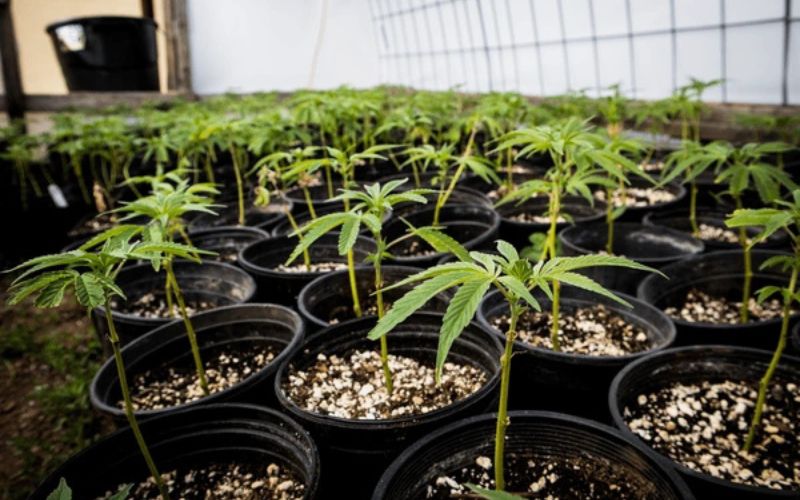
Ordering premium cannabis clones online is only the first step. What you do after they arrive decides whether you end up with weak plants or strong, healthy, high-yield strains.
This guide walks you through everything from unboxing to harvest, with special attention to Canada’s climate, short summers, cold winters, and indoor vs outdoor decisions. Whether you’re a first-time grower or getting more serious, this is your start-to-finish roadmap.
Step 1: When Your Cannabis Clones Arrive (Day 1 Care)
The moment your package arrives, timing matters.
What to do immediately:
- Open the box right away
- Check the leaves (they may look tired—that’s normal)
- Keep them out of direct light for the first few hours
- Do not water instantly unless the medium is completely dry
Let your clones rest and adjust. Think of it like travel recovery.
Pro tip: Canadian shipping weather can stress plants—especially in winter—so patience on Day 1 is key.
Step 2: Light Setup (Simple Rules)
Your clones need light, but not too much too fast.
Best light approach:
- First 24 hours: soft indoor light
- After Day 2: 18 hours ON, 6 hours OFF
- Avoid strong heat or direct sunlight early
If growing indoors, basic LED grow lights work well.
If growing outdoors, keep clones inside for at least 7–10 days before moving them out.
Step 3: Watering Without Killing Your Plants
Overwatering is the #1 mistake growers make.
Easy watering rule:
- Stick your finger 1 inch into the soil
- If it feels dry → water lightly
- If moist → wait another day
Roots need air as much as water. Soggy soil slows growth and causes root problems.
Use room-temperature water, especially in colder Canadian months.
Step 4: Choosing the Right Growing Space (Indoor vs Outdoor)
Indoor growing (Best for Canada)
- Full climate control
- Year-round growing
- Ideal for winter and short summers
Outdoor growing (Seasonal)
- Best from late May to early September
- Needs protection from wind and cold nights
- Great yields if timed correctly
Many Canadian growers start clones indoors and move them outdoors once nights stay warm.
Step 5: Transplanting Your Clones
Once roots fill the starter cube or small pot, it’s time to transplant.
How to transplant safely:
- Use loose, breathable soil
- Make a small hole first
- Gently place the clone—don’t press hard
- Water lightly after transplanting
Transplant stress is normal. Give plants 2–3 days to bounce back.
Step 6: Feeding Your Cannabis (Keep It Simple)
You don’t need complicated nutrients.
Basic feeding tips:
- Start feeding only after 7–10 days
- Use mild nutrients made for cannabis
- Less is better than more
- Watch leaves—yellow tips mean overfeeding
Healthy soil + clean water goes a long way.
Seasonal Cannabis Growing Guide
Spring (March – May)
Best for starting clones indoors
- Keep plants warm and stable
- Slowly increase light intensity
- Prepare for outdoor transition
- Avoid early outdoor planting (frost risk)
Spring is all about strong root development.
Summer (June – August)
Prime outdoor growing season
- Long daylight hours = fast growth
- Water more often (but don’t flood)
- Watch for pests and heat stress
- Support branches as plants stretch
In Canada, summer flies by maximize every sunny day.
Fall (September – October)
Flowering and harvest time
- Nights get cooler watch for frost
- Reduce watering
- Improve airflow to avoid mold
- Harvest before heavy rain or cold snaps
Timing matters most in fall. Don’t wait too long.
Winter (November – February)
Indoor growing only
- Keep temps stable
- Avoid cold floors and drafts
- Humidity control is important
- Great time to run premium strains indoors
Many Canadian growers prefer winter indoor runs for consistency.
Step 7: Training Your Plants
Plant training helps control height and improve yield.
Simple training methods:
- Gently bend tall branches
- Tie them down with soft ties
- Remove weak lower growth
No stress, no aggressive cutting, just gentle shaping.
Step 8: Keeping Plants Healthy
Healthy plants show:
- Bright green leaves
- Steady daily growth
- Strong stems
- No strange spots or curling
Keep problems away by:
- Good airflow
- Clean tools
- Not overcrowding plants
- Watching daily (5 minutes is enough)
Early attention saves entire harvests.
Step 9: Flowering Stage Basics
When plants enter flowering:
- Smell increases
- Buds start forming
- Water needs slightly change
- Plants stop growing taller
Avoid major changes during flowering. Stability = better results.
Step 10: Harvesting at the Right Time
Harvesting too early reduces potency. Too late reduces quality.
Signs your plant is ready:
- Buds feel firm
- Aroma is strong
- Leaves slow down growth
- Plant looks “finished”
After harvest, drying slowly in a cool, dark space gives the best result.
Final Tips for Growing Premium Cannabis Clones in Canada
- Start slow, don’t rush
- Respect Canada’s climate
- Indoor control beats outdoor stress
- Consistency beats complexity
- Healthy roots = healthy harvest
Growing cannabis isn’t about doing everything—it’s about doing simple things correctly, every day.
Premium cannabis clones give you a head start—but your care turns them into something special. With the right timing, seasonal awareness, and basic daily habits, Canadian growers can consistently produce strong, clean, high-quality plants from online-ordered strains.
Frequently Asked Questions (FAQs)
1. How long after delivery should I start growing cannabis clones?
You can start growing your cannabis clones the same day they arrive, but give them a few hours to rest first. Let them adjust to room temperature and light before watering or placing them under strong grow lights.
2. Do cannabis clones survive shipping in Canadian weather?
Yes, premium cannabis clones are shipped carefully to handle Canadian weather conditions. In winter or colder months, clones may look stressed at first, but they usually recover within 24–72 hours with proper light and gentle care.
3. Is it better to grow cannabis indoors or outdoors in Canada?
Indoor growing is more reliable in Canada due to cold winters and short summers. Outdoor growing works well from late May to early September, but indoor setups allow year-round growing and better control over temperature and humidity.
4. How often should I water cannabis clones?
Water only when the top inch of soil feels dry. Overwatering is one of the most common mistakes. Cannabis roots need air as much as water, especially during early growth stages.
5. Do I need nutrients right after planting clones?
No. Cannabis clones already have what they need for the first 7–10 days. Start with light feeding only after the plant shows new growth. Using too many nutrients too early can slow growth.
6. What temperature is best for growing cannabis in Canada?
Cannabis plants prefer temperatures between 20–26°C (68–78°F) during the day and slightly cooler at night. During winter, indoor growers should avoid cold floors, drafts, and sudden temperature drops.
7. Can I move indoor-grown clones outside?
Yes, but do it gradually. Let your plants adjust to outdoor conditions over 7–10 days. Sudden exposure to wind, cold nights, or strong sun can shock the plant.
8. What is the best season to start cannabis clones in Canada?
Spring is ideal for starting clones indoors, while summer is best for outdoor growth. Winter is perfect for indoor growers who want consistent results without worrying about frost or weather changes.
9. How do I know if my cannabis plant is healthy?
Healthy cannabis plants have:
- Bright green leaves
- Strong stems
- Steady growth
- No unusual spots or curling
Check your plants daily early signs help prevent bigger problems later.
10. When should I harvest my cannabis plants?
Harvest when buds are firm, aromatic, and the plant looks fully mature. Harvesting too early reduces potency, while harvesting too late can reduce quality. Timing is key for the best results.
Want to Learn More About Growing Cannabis?
Growing cannabis successfully is a journey, and every strain behaves a little differently. If you want more step-by-step grow guides, strain-specific tips, and seasonal advice tailored for Canadian growers:
👉 Visit our premium cannabis clone and explore our blog for more detailed cannabis growing guides, updates, and best practices.
We regularly share practical insights to help growers get better results from premium cannabis clones from beginners to experienced growers.