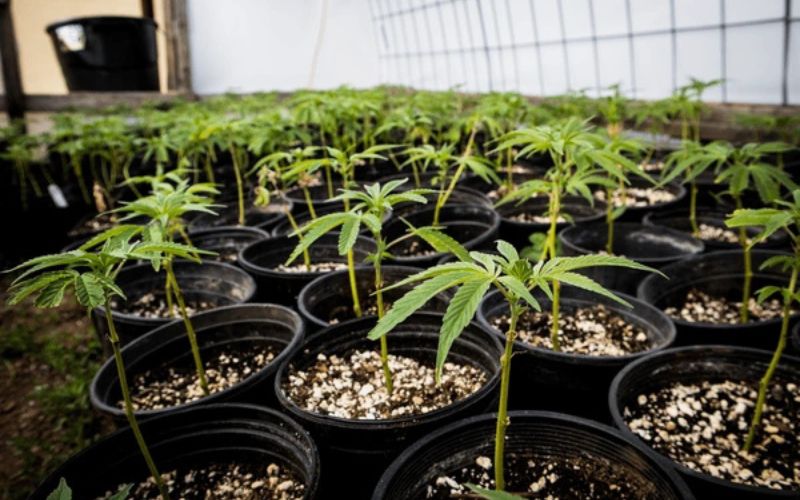
Growing cannabis from premium clones is one of the most reliable ways to achieve consistent quality, faster harvests, and predictable results especially in Canada’s challenging climate. Whether you’re a home grower or a commercial cultivator, understanding how to care for clones properly and adapt your grow strategy to Canadian conditions is essential.
This guide serves as an authority resource for cannabis clone growers across Canada. It covers indoor vs outdoor growing, clone care best practices, seasonal guidance, common mistakes to avoid, and why premium clones truly matter.
Understanding Cannabis Clones
Cannabis clones are cuttings taken from a healthy mother plant and grown into genetically identical plants. Unlike seeds, clones offer uniformity in growth patterns, cannabinoid profiles, and flowering times. This consistency is especially valuable in Canada, where growing windows are shorter and environmental conditions can be unpredictable.
Premium clones are selected from stable genetics, carefully maintained, and properly rooted before delivery. This gives growers a strong foundation from day one.
Indoor vs Outdoor Growing: What Works Best in Canada?
Indoor Growing (Most Preferred in Canada)
Indoor cultivation is the most popular option for Canadian clone growers due to climate control and year-round growing potential.
Benefits of indoor growing:
- Full control over temperature, humidity, and light cycles
- Protection from frost, heavy rain, and pests
- Ability to grow year-round, even during harsh winters
- Consistent yields and predictable results
Indoor growing is ideal for premium clones because it minimizes stress and allows plants to reach their full genetic potential.
Key indoor considerations:
- Maintain stable temperatures (20–26°C)
- Keep humidity balanced (especially during early veg)
- Use proper lighting schedules to avoid stress
Outdoor Growing (Seasonal & Climate-Dependent)
Outdoor growing in Canada can be rewarding but requires careful timing and strain selection.
Pros of outdoor growing:
- Lower electricity costs
- Natural sunlight promotes strong growth
- Suitable for experienced growers during the right season
Challenges:
- Short growing season
- Risk of early frost
- Unpredictable weather patterns
Outdoor growing works best in late spring through early fall and is more suitable for hardy, fast-finishing genetics.
Essential Clone Care Tips for Healthy Growth
Proper care during the early stages determines the success of your entire grow.
1. Acclimation After Arrival
- Allow clones to adjust gradually to their new environment
- Avoid immediate transplant shock
- Maintain moderate humidity during the first few days
2. Watering Practices
- Do not overwater young clones
- Allow roots to breathe between watering cycles
- Use clean, pH-balanced water
3. Lighting for Clones
- Start with gentle lighting
- Avoid intense light immediately after transplant
- Gradually increase light intensity as roots establish
4. Nutrient Management
- Begin with mild nutrients
- Avoid heavy feeding during early veg
- Increase nutrients slowly as plants grow stronger
Seasonal Growing Guidance for Canada
Spring (Best Time to Start)
Spring is the most popular time to purchase and grow cannabis clones in Canada.
- Ideal for indoor and greenhouse setups
- Allows plants to fully veg before flowering
- Prepares outdoor growers for summer transplanting
Summer
- Best for outdoor growth
- Monitor heat stress and pests
- Ensure proper airflow and hydration
Fall
- Harvest season for outdoor growers
- Watch for mold and moisture issues
- Indoor growers can continue cycles without interruption
Winter (Indoor-Focused Growing)
Winter growing is common in Canada but almost exclusively indoors.
- Maintain stable temperatures
- Control humidity carefully to prevent mold
- Use proper ventilation and airflow
Premium clones perform exceptionally well in winter indoor setups due to their strong genetic stability.
Common Grower Mistakes to Avoid
Even experienced growers can make mistakes that affect clone health.
Top mistakes include:
- Overwatering young clones
- Exposing clones to intense light too early
- Ignoring humidity control
- Transplanting too aggressively
- Using low-quality or unverified genetics
Avoiding these mistakes helps ensure faster rooting, stronger growth, and higher yields.
Why Premium Cannabis Clones Matter
Not all clones are created equal. Premium clones provide clear advantages:
- Proven genetics with consistent traits
- Strong root development
- Reduced risk of disease and stress
- Faster transition from veg to flower
- Predictable yields and quality
For Canadian growers, premium clones reduce risk in a climate where timing and plant health are critical.
Final Thoughts
Growing cannabis clones in Canada doesn’t have to be complicated. With the right knowledge, proper clone care, and premium genetics, growers can achieve consistent, high-quality results year-round.
This guide serves as a foundational resource for all Canadian cannabis clone growers and supports local pages with trusted, authoritative information.
By following these best practices and choosing premium clones, you set your grow up for long-term success.